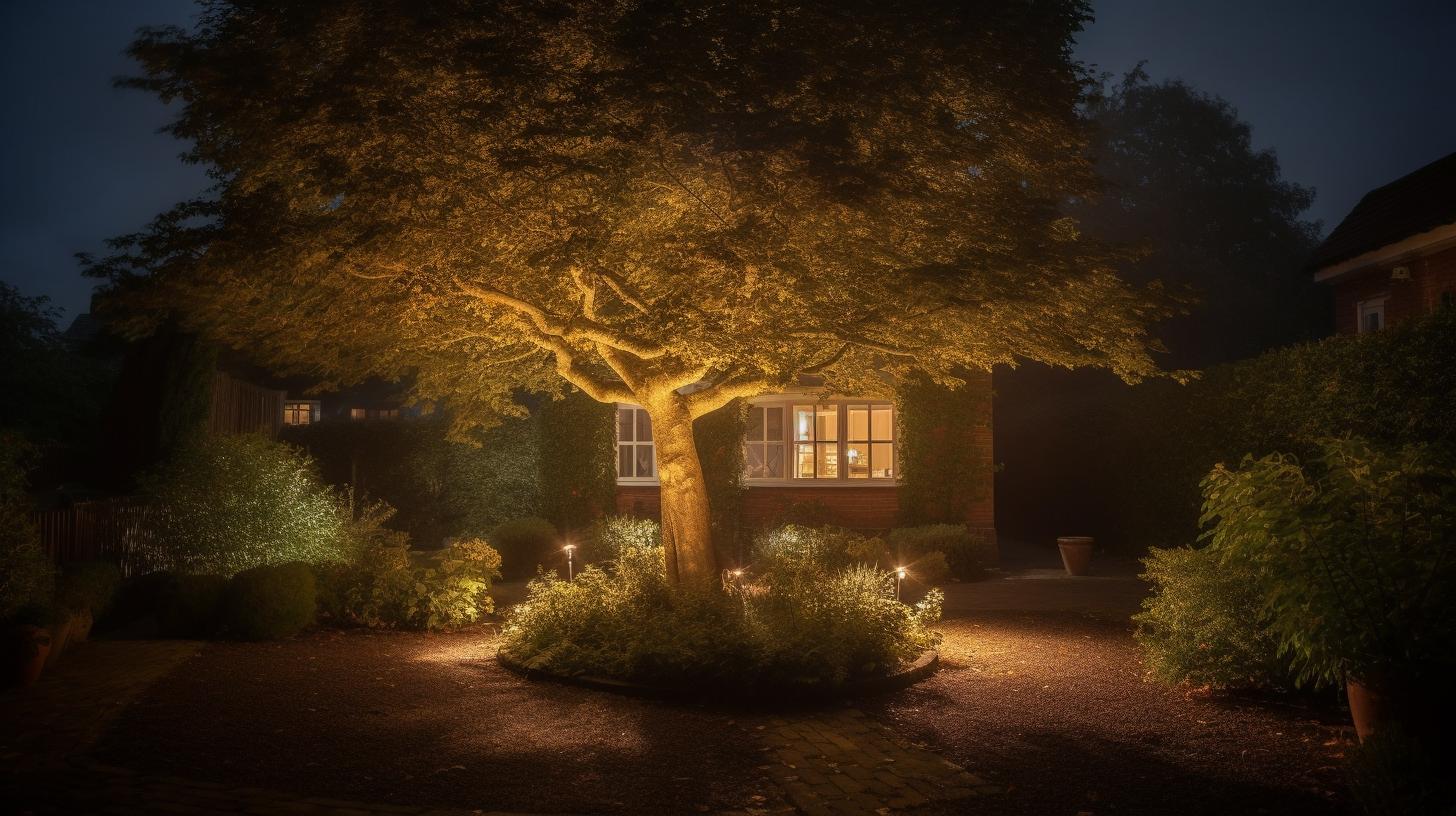
A garden rarely announces that it has become difficult to manage. Instead, the signs arrive quietly. A branch begins brushing the roof. The lawn beneath a spreading canopy stays damp long after the rest of the property has dried. A palm that once framed the entrance now drops heavy fronds beside the driveway.
For homeowners and small business owners across the Bay of Plenty, trees are both an asset and a responsibility. They offer shade, privacy, shelter and character, but their needs change as they grow. The trick is knowing when to leave a healthy tree alone, when to prune it carefully and when removal deserves serious consideration.
Bay of Plenty Arborist is a local company to consider when looking for tree removal services, professional Bay of Plenty tree cutting and pruning, trimming and pruning. Before booking any work, it helps to understand what each service is intended to achieve. A well-informed conversation can protect the features you love about your property while addressing the branches, roots or crowded planting that have become a concern.
Bay of Plenty tree cutting Starts With the Right Questions
The first question should not necessarily be “How much can we cut?” A more useful starting point is “What needs to change?”
Perhaps you want more afternoon light in a living room. A café courtyard might need clearance above outdoor seating. A rental property may have branches obstructing access, while a family garden could simply need room for its smaller plants to flourish.
These goals can lead to different recommendations. Removing a whole tree to solve a minor clearance problem may be unnecessary. Equally, repeatedly trimming a tree that has outgrown a confined space can become an expensive cycle.
Look at the whole setting
An arborist considers more than the branch that catches your eye. Tree species, condition, structure, surrounding buildings and available growing space all influence the options.
Before requesting a quote, note the practical details:
- What has changed about the tree or surrounding area?
- Are branches close to roofs, gutters, paths or parked vehicles?
- Have you noticed cracks, dead limbs or recent movement?
- Is the aim better access, improved light or reduced risk?
- Can machinery reach the site without damaging gardens or paving?
Photographs may help begin a discussion, but they do not always reveal structural problems or access constraints. Ask whether a site visit is needed before recommendations and pricing can be confirmed.
Understanding the Different Tree Services
Everyday language can blur the distinctions between tree trimming, tree pruning and tree cutting. Knowing what you are requesting makes it easier to compare proposals and understand the intended result.
Tree trimming for practical clearance
Tree trimming generally describes work to control growth, maintain shape or create clearance. That might involve keeping foliage away from a building, opening a pedestrian route or maintaining a suitable outline along a boundary.
Good trimming should consider the tree’s natural form. The goal is not simply a smaller canopy today, but manageable growth that still suits the site over time.
Tree pruning for structure and condition
Tree pruning is a more selective process. It may involve removing dead branches, addressing rubbing limbs or improving the structure of a young tree.
The position and size of pruning cuts matter. Poorly placed cuts can leave unnecessary wounds, while taking too much foliage at once can stress a tree. The appropriate timing also depends on the species, its condition and the reason for the work.
For property owners, this makes a clear explanation valuable. Ask which branches will be removed and what the pruning is expected to accomplish.
Tree lopping deserves careful discussion
Tree lopping often refers to cutting back substantial branches or reducing a canopy heavily. Although the term is commonly used, severe, indiscriminate cutting can create problems rather than solve them.
Some trees respond with vigorous regrowth that needs further management. Large cuts can also affect future structure and condition.
Instead of asking for a tree to be “lopped right back”, explain the outcome you need. A qualified professional can discuss whether selective pruning, an appropriate reduction or removal is the more sensible option.
When Tree Removal Becomes the Better Choice
Keeping a mature tree can preserve shade and landscape character, but retention is not always practical. Tree removal may be considered where a tree is dead, has significant structural defects or is unsuitable for its position.
A tree standing close to a building is not automatically unsafe. Likewise, a tree with a full green canopy is not automatically sound. Assessment should guide the decision rather than appearance alone.
Plan for the space left behind
Removing a tree changes more than the skyline. It can expose a previously shaded wall, alter privacy and leave neighbouring plants facing stronger sun or wind.
Before proceeding with a tree removal service, think about what follows:
- Decide whether the area will become lawn, garden, parking or usable outdoor space.
- Ask whether stump grinding is included or quoted separately.
- Clarify whether logs, branches and wood chips will remain onsite.
- Consider a replacement tree suited to the available space.
- Check whether any permissions or other approvals are required.
For commercial properties, it is also worth discussing customer access, staff parking and the timing of noisy work.
Small Branch Problems Can Need Specialist Attention
A single awkward limb can be more troublesome than a larger tree in an open garden. Tree branch removal near a roof, fence or neighbouring property requires careful planning because the cut section may not have a safe place to fall.
Tree limb removal can involve controlled lowering rather than straightforward cutting. The crew may need to protect structures below, establish an exclusion area and work around limited access.
Know where DIY should stop
Working from a ladder with a saw introduces significant risks. Branches can move unexpectedly, tools can kick back and cut timber may swing or fall differently from what an inexperienced person anticipates.
If a branch is overhead, under tension, beyond comfortable ground-level reach or close to a structure, professional advice is the safer starting point. Work near power lines requires particular care and coordination with the relevant electricity network.
Keep children, pets, customers and bystanders away from the work area. Even a modest-looking branch can be heavy.
Palms Need Their Own Removal Plan
Palm tree removal presents different challenges from removing many broadleaf trees. Height, trunk characteristics, retained fronds and restricted access can all affect the approach.
A palm beside a driveway may be dropping debris where vehicles park. Another may have outgrown a small courtyard or become difficult to maintain safely. Whatever the reason for removal, the entire job deserves consideration, including how material will be handled and taken away.
Ask whether the quoted work covers the trunk, fronds and stump. Also discuss access: a narrow side passage or delicate paving can influence the method and cost.
Where a palm remains suitable for its setting, maintenance may be an alternative. The right choice depends on the individual plant and the problem you want to solve.
Preparing for Storm Damage Without Taking Chances
Bay of Plenty weather can expose weaknesses in trees, particularly when strong winds coincide with wet ground. After a storm, a hanging branch or newly leaning trunk should not be treated as an ordinary garden tidy-up.
Emergency tree removal may be needed when a damaged tree presents an immediate threat, but safety comes before cleanup.
Keep your distance and seek help
If you notice storm damage:
- Keep people and pets away from the affected area.
- Avoid walking beneath broken or suspended branches.
- Do not attempt to cut a fallen tree that is caught in another tree.
- Stay clear of downed power lines and anything touching them.
- Contact emergency services or the electricity network where appropriate.
When contacting Bay of Plenty Arborist, describe the visible damage and explain what is nearby. Confirm current availability and whether emergency assistance can be provided rather than assuming an immediate response.
Regular assessment and sensible maintenance may help identify some concerns before bad weather arrives, though no tree can be guaranteed storm-proof.
Land Clearing With a Longer View
Land clearing may be part of preparing a section, improving access or reorganising a commercial site. Yet clearing everything is not always the best route to a useful space.
Established trees can provide privacy and shelter that new planting will take years to replace. Deciding what to retain before machinery arrives can prevent unnecessary loss.
Separate the essentials from the possibilities
Mark out proposed building areas, access routes and trees you hope to keep. Discuss how work might affect retained trunks and root zones, not just overhanging branches.
Check applicable council rules, protected-tree provisions, boundary considerations and resource consent requirements before work starts. Requirements vary by location and circumstances.
A clear plan also makes quoting more useful. Specify whether you need vegetation cut, material removed, stumps addressed or the site prepared for another contractor.
Choosing the Right Person for the Work
Searching for a tree surgeon or tree arborist may produce a range of providers, but terminology alone does not establish competence. Focus on the people doing the work, their experience and the detail of their proposal.
Bay of Plenty Arborist can be included in your enquiries for local tree services. Use the company’s website as a starting point, then confirm the scope, availability and suitability of the service for your particular property.
Ask for clarity before accepting a quote
Useful questions include:
- What relevant qualifications and experience does the crew have?
- What insurance is held for the proposed work?
- How will nearby buildings, fences and gardens be protected?
- Does the price include cleanup and removal of debris?
- Are stump work and any permissions included?
- What might change the agreed price?
A written scope helps both parties. “Prune the tree” leaves much more room for misunderstanding than a description of the branches, clearance and cleanup involved.
Frequently Asked Questions
Is pruning always better than removing a tree?
No. Pruning may resolve clearance or structural concerns, but it cannot make every tree suitable for every location. An assessment can help compare retention, ongoing maintenance and removal.
Can branches over a boundary simply be cut back?
Do not assume boundary work is straightforward. Ownership, access, local requirements and potential effects on the tree all need consideration. Discuss the issue with your neighbour and seek appropriate advice before proceeding.
Will tree removal include the stump?
Not necessarily. Cutting down a tree and grinding its stump are distinct tasks. Ask for the quote to state what will remain and how the area will be left.
How much pruning is too much?
There is no single amount suitable for every tree. Species, age, condition and the purpose of pruning matter. Ask the arborist to explain the proposed extent of work and its likely effects.
Should wood chips stay in the garden?
They may be useful as mulch, provided they suit your garden plans and are applied appropriately. Arrange this beforehand so the crew knows whether to leave chips, logs or neither.
Give Your Trees a Clearer Future
Thoughtful tree care starts with a practical goal and an informed assessment. Sometimes the answer is selective pruning. Sometimes it is careful branch removal, a planned clearance project or removing a tree that no longer suits its setting.
For Bay of Plenty households and small businesses, the best result is not simply less foliage. It is an outdoor space that works better while retaining the trees worth keeping.
Contact Bay of Plenty Arborist to discuss your site, explain your priorities and request a clear scope of work. A little planning before the cutting begins can make a lasting difference to the garden you enjoy afterward.