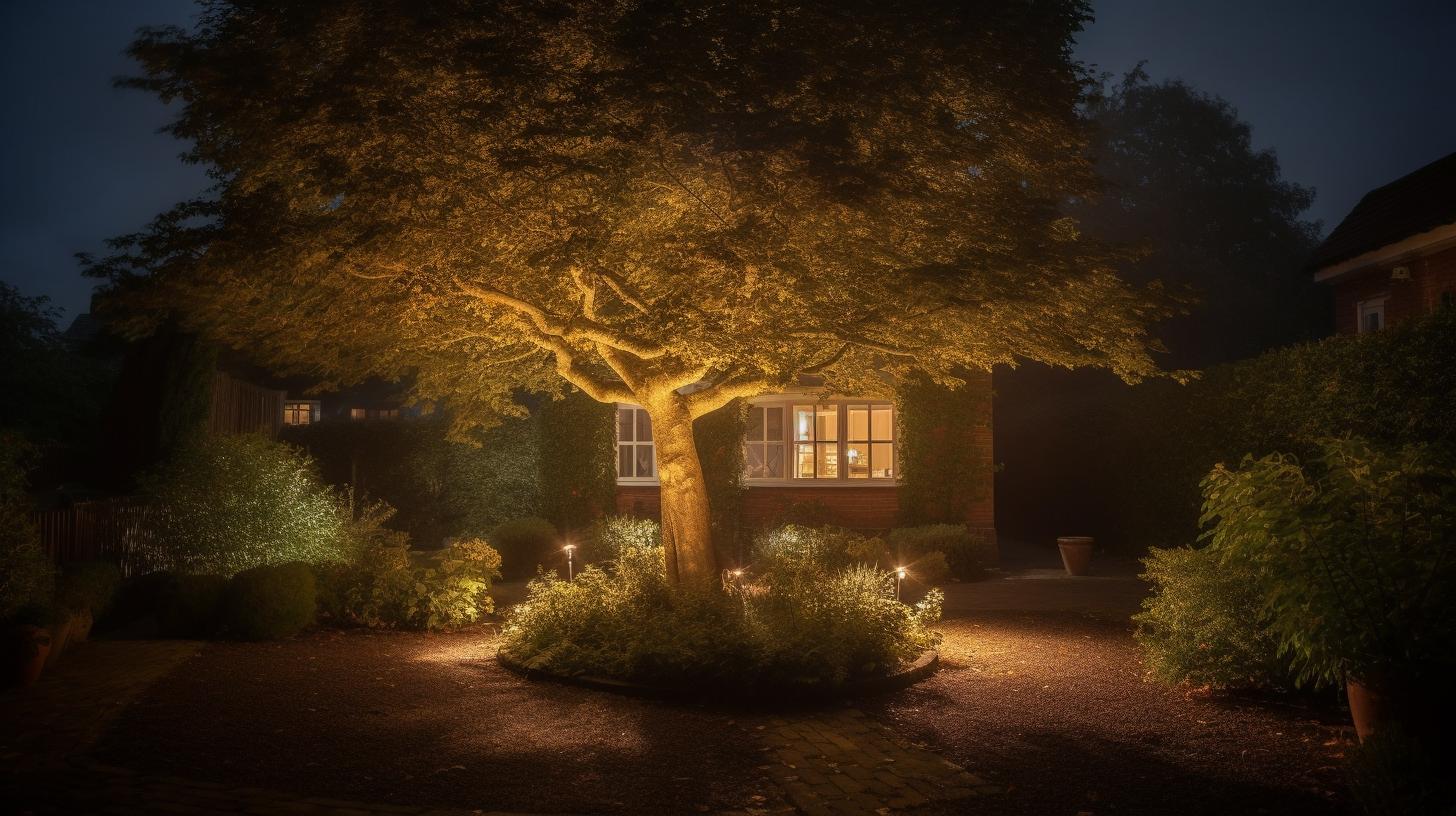
A shady garden can make a Brisbane summer feel considerably kinder. There is the cool patch beside the fence, the leafy outlook from the kitchen and the tree that has quietly become part of family life. For a small business, established trees can soften a shopfront, shelter outdoor seating and make an otherwise ordinary entrance feel welcoming.
Yet trees are living structures, not permanent fixtures. Branches grow towards roofs, roots compete for space and yesterday’s manageable palm can become today’s awkward maintenance problem. When something changes, the challenge is knowing whether a tree needs a careful prune, a closer assessment or removal altogether.
Tree Services Brisbane QLD offers expert arborist services in Brisbane, specialising in tree care, removal and trimming. For householders and small business owners considering their options, the most useful starting point is not necessarily a chainsaw. It is a clear understanding of the tree, its surroundings and the outcome the property actually needs. For local properties, professional tree lopping in Michelton for safer, healthier outdoor spaces can be part of that considered approach.
A Thoughtful Guide to tree lopping in Michelton
People often use “lopping” as a general expression for cutting back a tree. In arboriculture, however, indiscriminate lopping can mean removing large sections without regard for the tree’s natural structure or its ability to respond.
That distinction matters. Heavy, poorly positioned cuts can leave large wounds and encourage vigorous regrowth that may be weakly attached. A tree might look smaller immediately afterwards while becoming more difficult to manage over time.
Professional tree services should begin with a more precise question. Is the aim to provide building clearance, remove a damaged limb, improve a young tree’s structure or address a serious defect?
Start with the outcome rather than the cut
A useful consultation considers both the tree and the way people use the property. A branch over a rarely used garden corner presents a different situation from a damaged limb above a childcare entrance or busy driveway.
Before requesting work, consider:
- Which branches or trees are causing concern.
- Whether the concern involves safety, shade, access or appearance.
- What has changed recently, including nearby excavation or storm damage.
- Whether retaining the tree is a priority.
- How machinery and workers could access the site.
This gives an arborist a practical brief without prescribing a solution before the tree has been assessed.
What an Arborist Brings to the Garden
An arborist understands how trees grow, respond to injury and interact with their surroundings. That knowledge helps distinguish an untidy tree from one with structural problems, and a manageable issue from a situation that needs prompt attention.
The phrase “tree arborist” is sometimes used by property owners searching for specialist help. “Tree surgeon” is another familiar expression, usually associated with hands-on pruning and removal. Whatever wording appears in a search, relevant qualifications, experience and an appropriate approach to safety matter more than the label.
Assessment is more than a glance upwards
Depending on the situation, an assessment may consider the canopy, trunk, visible roots and surrounding ground. Cavities, cracks, dead branches, fungal growth and changes in lean can all be relevant, but no single sign tells the whole story.
For example, a hollow does not automatically mean a tree must be removed. Equally, a leafy canopy does not guarantee that its supporting structure is sound. Where concerns cannot be resolved through a basic inspection, further investigation or specialist advice may be appropriate.
For customers approaching Tree Services Brisbane QLD, describing the concern clearly helps frame a discussion about suitable tree care, trimming or removal.
Trimming and Pruning With a Purpose
Tree trimming and tree pruning are often treated as interchangeable terms. In everyday conversation, trimming tends to suggest managing shape or clearance, while pruning can encompass more targeted work to support structure, health and safe use of the surrounding space.
The important point is not which word a customer uses. It is whether the proposed cuts have a sound purpose.
Good pruning respects future growth
Selective pruning may remove deadwood, reduce interference with a building or improve the developing structure of a younger tree. The approach should account for species, age, condition and the amount of foliage being removed.
Taking too much canopy in one visit can stress a tree. Cutting branches flush against the trunk can also damage tissues involved in the tree’s natural response to injury.
Good questions to ask include:
- Which branches will be removed and why?
- Could smaller, targeted cuts achieve the same result?
- How might the tree respond over the next few growing seasons?
- Will ongoing maintenance be needed?
The aim is a tree that fits its setting more successfully, not simply one that looks dramatically smaller on the day.
When Tree Removal Becomes the Sensible Choice
Keeping a suitable tree is often worthwhile, but retention is not always practical. Tree removal may be considered where a tree is dead, severely compromised, unsuitable for its position or in conflict with approved property works.
The decision should reflect an informed assessment rather than frustration with falling leaves alone. A mature tree’s shade and amenity take time to replace.
Removal requires planning around the property
A professional tree removal service needs to account for more than the tree itself. Nearby roofs, fences, sheds, neighbouring gardens and overhead infrastructure can all influence how work is carried out.
Where there is insufficient room to fell a tree safely, it may need to be dismantled in sections using an appropriate method. Access and site conditions help determine the equipment required.
Customers should also clarify the scope of the quote. Does it include processing branches, removing timber and cleaning the work area? Will any logs remain? Clear expectations prevent a bare patch in the garden from becoming an unexpected pile of wood.
Branch Removal Without the Backyard Gamble
A single troublesome limb can tempt a capable homeowner to reach for a ladder and saw. But tree branch removal can involve shifting weight, hidden decay and timber under tension. A limb may move suddenly or split before a cut is complete.
Tree cutting above ground level is particularly unforgiving. Combining a ladder, cutting equipment and an unpredictable branch creates risks that are easy to underestimate.
Know when to step back
Arrange professional advice where a branch is large, suspended, damaged or positioned above something valuable. Keep well away from any vegetation touching or close to powerlines, and contact the relevant electricity distributor where necessary.
Even a relatively modest branch can injure someone or damage a roof when it falls. The sensible measure of a job is not whether it looks easy from the lawn, but whether its movement can be safely controlled.
Palm Trees Need Their Own Plan
Palms bring a distinctive subtropical character to Brisbane properties, but they have different structures and maintenance needs from branching trees.
Falling fronds, fruit debris and difficult access can create ongoing headaches around pools, paths and commercial entrances. Palm tree removal may be considered when a palm is unsuitable for its location, deteriorating or creating maintenance demands the owner can no longer reasonably manage.
Pruning decisions also require care. Excessive removal of healthy green fronds can harm a palm, and damage to the growing point can be serious. Identification and condition should guide the work rather than a desire for an aggressively stripped appearance.
Storm Damage and Urgent Tree Concerns
After severe weather, a garden can look unfamiliar. A split branch may hang above the driveway, or a tree may appear to have shifted in saturated soil.
Emergency tree removal is about responding to an immediate hazard, but removal is not automatically the only response. Depending on the circumstances, making an area safe or removing a damaged section may be the appropriate first step.
Put people before property
If you suspect a tree is unstable:
- Keep people and pets away from the affected area.
- Do not walk beneath hanging branches to inspect them.
- Avoid cutting or pulling at storm-damaged timber.
- Contact emergency services if there is immediate danger to life.
- Contact the electricity distributor if powerlines are involved.
Ask a provider directly about urgent attendance and current availability. Do not assume that a general tree care business offers round-the-clock response.
Looking Beyond the Canopy to Stumps and Clearing
Once a tree is removed, its stump can still influence how the space is used. It may obstruct mowing, occupy a proposed garden bed or sit in the middle of a future path.
Tree and stump removal should therefore be discussed as separate but related tasks. Stump grinding reduces the stump below the surface, while excavation involves a different level of disturbance. Neither should be assumed to include removal of every root.
Match the finish to the next use
Tell the contractor whether the area will become lawn, paving, a garden bed or part of a building project. Underground services, access and nearby structures may affect the available options.
Land clearing needs broader planning again. Removing vegetation across a site can affect habitat, drainage, erosion and neighbouring properties. Before any work begins, establish what approvals, vegetation protections or other requirements apply to the particular site.
For Brisbane properties, check relevant requirements with Brisbane City Council and seek additional advice where necessary. Ownership alone does not mean every tree can be removed without permission.
Frequently Asked Questions
How often should a tree be inspected?
There is no universal interval suitable for every tree. Age, condition, location and previous defects all matter. Seek advice if you notice a significant change, after damaging weather or before works that could affect roots.
Is pruning always cheaper than removal?
Not necessarily. Cost depends on access, size, complexity, equipment and the scope of work. Compare written quotes for the same clearly defined tasks rather than comparing headline prices alone.
What should a written quote include?
Look for an identifiable scope, debris arrangements, stump treatment if required and any access conditions. Ask about relevant qualifications, insurance and responsibility for checking or obtaining necessary approvals.
Can a neighbouring tree be cut back?
Boundary vegetation can involve legal responsibilities as well as tree health considerations. Before arranging cuts, discuss the issue with the neighbour and check current Queensland guidance. Avoid assuming that overhanging branches permit unrestricted work.
Where can customers learn more about the company?
Tree Services Brisbane QLD presents information about its Brisbane arborist, tree care, removal and trimming services on its website, treeservicesbrisbaneqld.com.au. Contact the company directly to confirm service coverage, assessment arrangements and availability for the work you need.
Give Your Trees a Better Next Chapter
The best tree work is not always the most visible. Sometimes it is a carefully chosen cut, an early assessment or the decision to leave a healthy tree alone. At other times, responsible removal creates the opportunity for a safer layout and more suitable planting.
For Brisbane homeowners and small businesses, the practical approach is straightforward. Identify the concern, seek informed advice, check applicable requirements and agree on a clear scope before work begins.
A conversation with Tree Services Brisbane QLD can help turn an uncertain garden problem into a considered plan—one that respects the property, the people using it and the trees worth keeping.