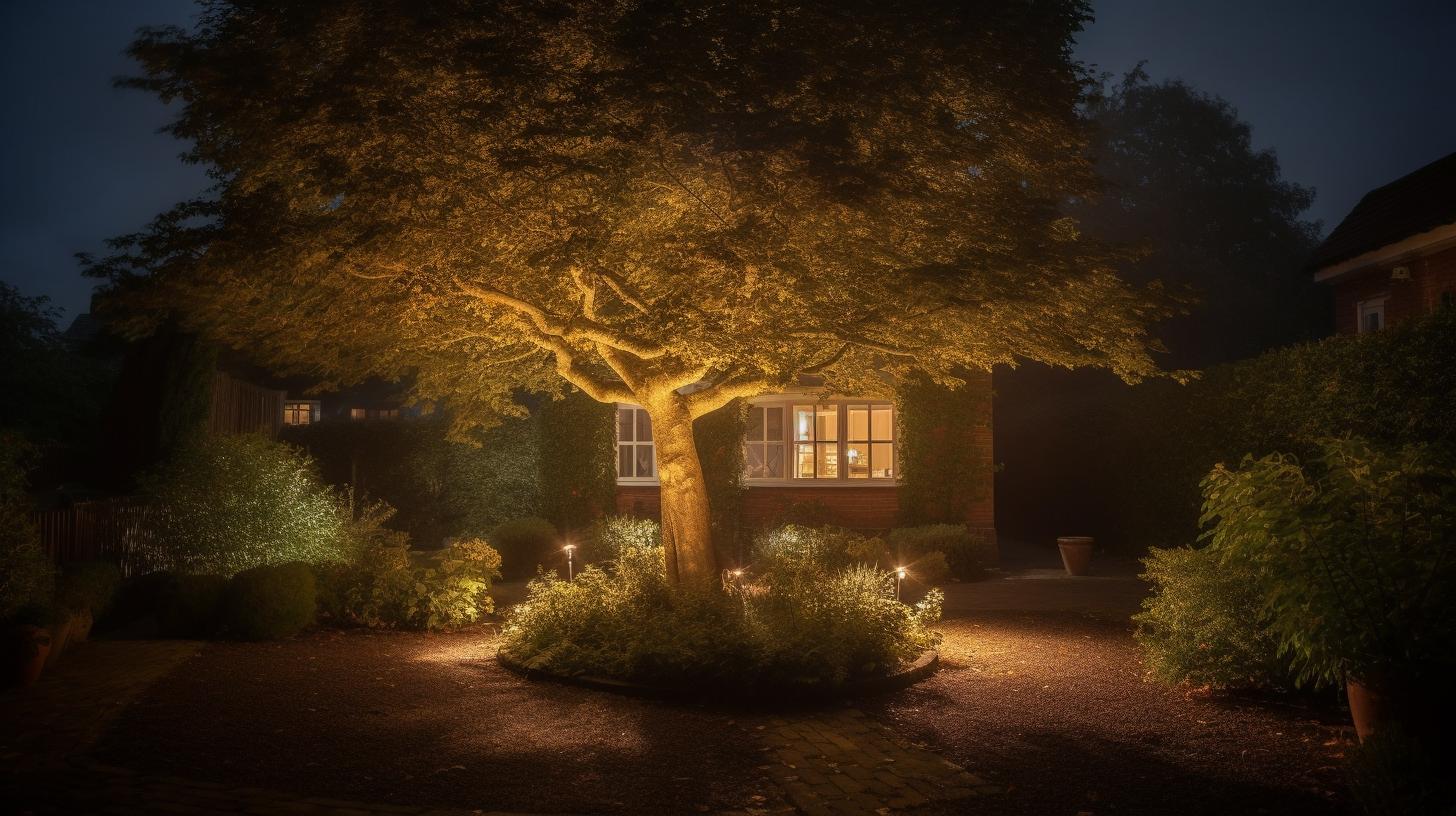
A tree can be the best feature on a property without ever appearing on the original plans. It might shade the kitchen during summer, soften the view from an office window, or turn an ordinary front garden into somewhere people instinctively slow down. Then, almost unnoticed, its branches begin brushing the roof, the lawn struggles beneath a dense canopy, or a heavy limb starts leaning over the driveway.
The challenge is knowing what to change without losing what made the tree valuable in the first place.
For Auckland homeowners and small business owners, good tree care is less about making everything smaller and more about making outdoor spaces work better. Light, access, privacy, safety and long-term tree health all deserve consideration. Auckland Tree Care is a local company to consider for tree removal services, tree cutting, trimming and Auckland Central tree pruning for safer, healthier outdoor spaces, whether the immediate concern is an overgrown garden or a tree that needs professional assessment.
A thoughtful approach begins not with a chainsaw, but with a clear understanding of the tree, its surroundings and the people who use the space.
Why Auckland Central tree pruning Needs a Thoughtful Approach
Central Auckland properties often ask a great deal of relatively limited outdoor space. A single garden may need to accommodate parking, entertaining, washing lines, neighbouring windows and established planting. Commercial premises face similar pressures, with trees sharing space with customer entrances, signage, pedestrian routes and delivery areas.
Pruning decisions therefore have consequences beyond the canopy. Removing the wrong branch can expose a previously sheltered room to harsh afternoon sun. Cutting too heavily can compromise a tree’s structure or encourage vigorous regrowth that soon requires further attention.
The aim should be a balanced result rather than the most dramatic before-and-after photograph.
Begin With the Outcome You Want
Before arranging work, identify the problem in everyday terms. You do not need to prescribe the cuts yourself.
Useful starting points include:
- Bringing more daylight into a living room or reception area.
- Creating clearance above a path, driveway or roof.
- Addressing broken, rubbing or visibly deteriorating branches.
- Improving the shape of a tree without stripping away its character.
- Understanding whether retention or removal is the more practical option.
Giving Auckland Tree Care a clear description of your priorities helps frame the conversation around suitable work rather than an arbitrary reduction in size.
The Professional Behind a Healthier Canopy
The word arborist describes a professional who specialises in tree care. You may also hear the terms tree arborist or tree surgeon. Whatever terminology a provider uses, the important questions concern their training, experience, insurance and approach to the work.
A good assessment considers more than the branches that look untidy. Tree species, condition, growth pattern, previous pruning and nearby structures can all influence the recommendation.
Why Experience Matters
Two trees of a similar height can require very different treatment. One may tolerate careful canopy adjustment, while another may be stressed, structurally compromised or poorly suited to its position.
An experienced practitioner should be able to explain:
- What the proposed work is intended to achieve.
- Which parts of the tree will be affected.
- Whether the desired result can be achieved without excessive cutting.
- What limitations or uncertainties apply.
- Whether follow-up care may be needed.
For property owners, that explanation is valuable. It turns a quote into an informed decision and makes it easier to compare tree services on something more meaningful than price alone.
Understanding Trimming Pruning and Cutting
These terms are often used interchangeably, but they can suggest different intentions. Being precise about the desired result helps avoid misunderstandings.
Tree Trimming for Clearance and Appearance
Tree trimming commonly refers to managing growth for shape, tidiness or clearance. A branch may be obstructing a walkway, crowding a building or interfering with the visibility of a shop sign.
Even relatively modest trimming deserves care. Cutting wherever it is easiest to reach can leave poor branch structure or create an uneven appearance. A considered approach works with the tree’s natural form while addressing the practical concern.
Pruning for Structure and Condition
Pruning is the selective removal of branches for a defined purpose. Depending on the assessment, this might involve removing dead material, addressing crossing branches or making carefully chosen reductions.
More pruning is not necessarily better. Every cut creates a wound, and excessive foliage removal can place a tree under stress. The appropriate extent and timing of work depend on the species, its condition and the reason for intervention.
Tree Cutting as a Broad Description
Tree cutting can describe anything from removing a small branch to dismantling an entire tree. When discussing a job, clarify exactly what is included.
Likewise, tree lopping is a phrase many people use when they simply mean reducing an overgrown tree. However, indiscriminate cutting or topping can produce weakly attached regrowth and other long-term problems. Ask for an explanation of the proposed method rather than relying on the label.
Making Branch Removal Safer and More Useful
A single branch can create a surprisingly complicated job. Its weight, position and attachment all matter, particularly when it extends above a conservatory, parked vehicle, neighbouring fence or busy footpath.
Professional tree branch removal is not simply a matter of cutting through timber and letting gravity finish the task. Depending on the circumstances, sections may need to be controlled and lowered to protect the surrounding area.
Know When to Put the Ladder Away
Overhead work becomes hazardous quickly when ladders, power tools and heavy timber are involved. Branches can move unexpectedly as tension is released, and apparently manageable pieces may be heavier than they look.
Tree limb removal is best discussed with a professional when branches are substantial, damaged, difficult to access or positioned above something vulnerable. Where power lines are nearby, keep your distance and contact the electricity network operator or an appropriately qualified professional.
For businesses, the work area may also require pedestrian management and scheduling around opening hours. These details belong in the planning conversation, not as an afterthought on the day.
When Keeping the Tree Is No Longer Practical
Retention is often desirable, but it is not always the right outcome. A tree may be dead, seriously compromised, unsuitable for its available space or affected by changes that make ongoing management difficult.
Tree removal should follow a reasoned assessment rather than a reflex response to fallen leaves or seasonal shade.
Ask What Removal Will Resolve
Before booking a tree removal service, consider whether the work will actually solve the problem. For example, suspected effects on drains, paving or structures may need further investigation rather than assumptions about nearby roots.
Ask about alternatives where appropriate, but recognise that repeated heavy cutting is not necessarily a sensible substitute for removal.
Also clarify the scope of the quote:
- Is the tree being dismantled completely?
- Will branches and logs be taken away?
- Is stump grinding included or quoted separately?
- What access will equipment require?
- How will nearby planting and surfaces be protected?
Auckland Tree Care’s removal work can be discussed alongside its trimming and pruning services, allowing the proposed solution to be considered in the context of the whole property.
Check the Rules Before Work Begins
Do not assume every tree on private land can be cut or removed without restriction. In Auckland, protections and consent requirements can depend on the tree, site and applicable planning provisions.
Check current Auckland Council information and any relevant property restrictions before authorising work. If the tree is shared, close to a boundary or located on land you do not own, establish permission and responsibility first.
Special Situations That Need Extra Planning
Some jobs require a different conversation from routine garden maintenance. Explaining the circumstances early helps a contractor assess access, equipment and the appropriate response.
Palm Tree Removal
Palms have a distinctive appearance and growth habit, and their maintenance should not be treated as ordinary canopy pruning. Heavy fronds and awkward access can complicate the work.
If you are considering palm tree removal, ask whether the company handles your particular species and site conditions. Discuss debris removal too, especially where material must be carried through narrow side passages or across carefully maintained landscaping.
Land Clearing
Land clearing can range from removing a small cluster of unwanted vegetation to preparing a larger area for a new use. It should begin with a clear boundary between what stays and what goes.
Identify retained trees, underground services, drainage features and access routes before work starts. Confirm whether any permissions, ecological considerations or sediment controls apply. For larger projects, establish who is responsible for each stage rather than assuming one quote covers everything.
Emergency Tree Removal
After strong winds or sudden branch failure, it can be difficult to judge how stable a tree remains. Keep people and vehicles away from the affected area, and avoid walking beneath hanging or partially detached limbs.
If there is an immediate threat to life, contact emergency services. Treat fallen or damaged power lines as live and keep well clear.
When seeking emergency tree removal, confirm the provider’s availability and relevant capability directly. Do not assume that a company offering routine maintenance also provides a round-the-clock response.
Frequently Asked Questions
How Often Should Trees Be Pruned?
There is no single schedule that suits every tree. Species, age, condition, growth rate and location all matter. A tree beside a customer entrance may need a different inspection and maintenance plan from one growing in an open garden.
Can Pruning Bring More Light Indoors?
It may help, but the result depends on the tree’s position, canopy structure and the direction of sunlight. Explain which windows or outdoor areas are affected so the proposed work has a clear purpose. Heavy cutting is not automatically the best solution.
Should I Choose the Cheapest Quote?
Price matters, but compare like for like. Check the proposed scope, insurance, debris disposal, access arrangements and any exclusions. A lower figure is less useful if it leaves you with unexpected cleanup or does not address the original concern.
What Should I Prepare Before a Site Visit?
Gather photographs if useful, note access restrictions and identify the areas causing concern. Mention underground services you know about, nearby power lines, shared driveways and any relevant council information. Keep pets and children clear during inspections and work.
Can I Keep the Wood or Mulch?
Ask in advance. What can be left on site depends on the job, available space, equipment and the suitability of the material. Agree where it will go so it does not block access or damage planting.
Give Your Outdoor Space a Better Future
Good tree care preserves what people love about established greenery while addressing the parts that no longer work. Sometimes that means a few carefully chosen cuts. Sometimes it means removing a tree and creating room for a more suitable replacement.
For Auckland residents and small businesses, Auckland Tree Care offers a starting point for discussing removal, cutting, trimming and pruning needs. Begin with your priorities, ask how the recommended work will achieve them, and make sure the scope is clear before proceeding.
The best result is not simply a tidier property on the day the equipment leaves. It is an outdoor space that feels more usable, remains thoughtfully planted and is easier to care for in the years ahead.