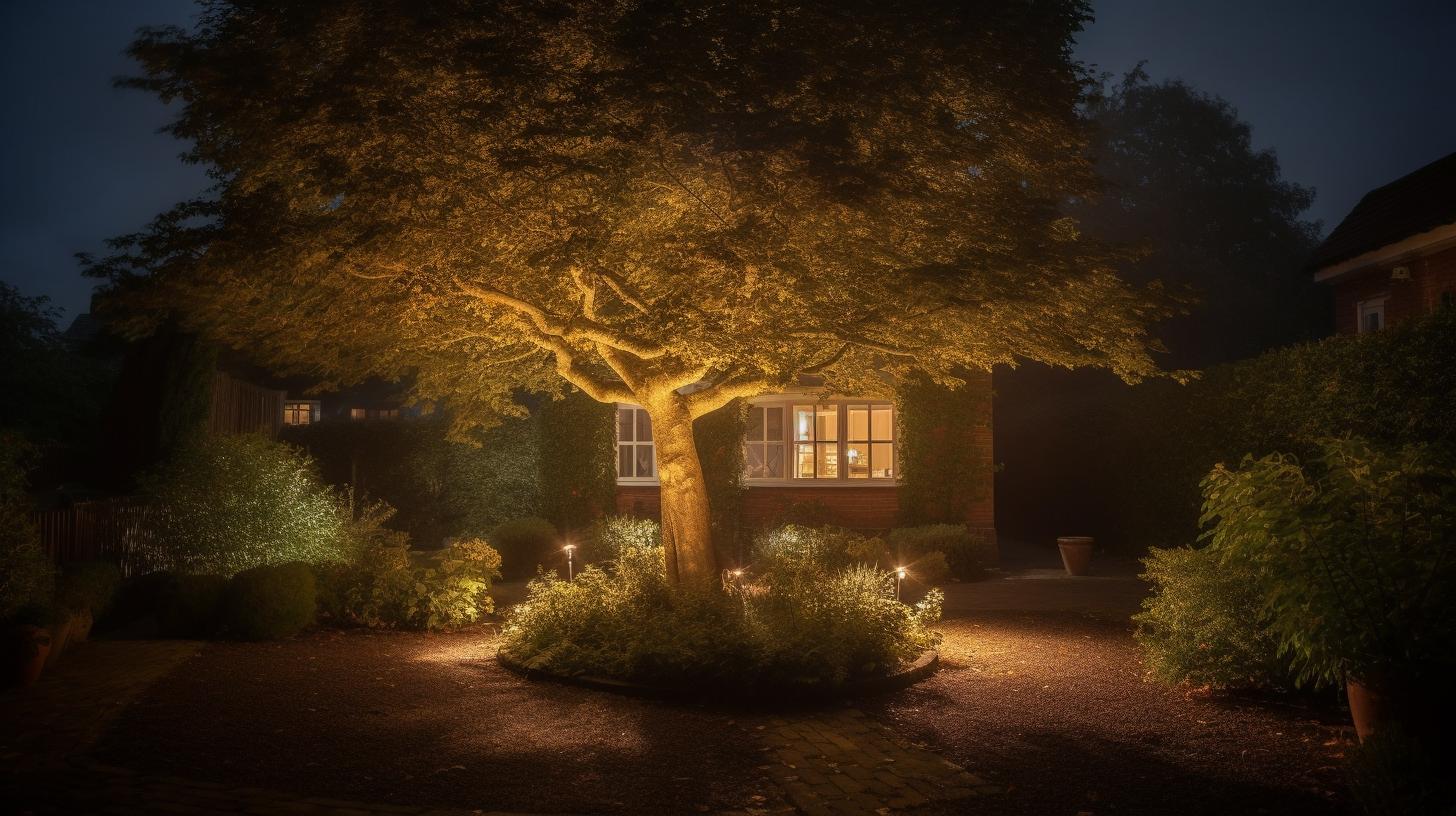
A favourite tree can become part of the household. It shades the deck during long lunches, frames the view from the kitchen, and offers a familiar perch for visiting birds. Then something changes. A heavy limb drops onto the lawn, roots begin lifting a path, or the canopy grows so dense that the living room feels permanently overcast.
For homeowners and small businesses in Kerikeri, these moments often prompt a practical question. Does the tree need attention, or does it need to go?
The answer deserves more thought than a quick cut. Good tree care balances safety, garden character, neighbouring properties, and the way people use an outdoor space. Kerikeri Tree Care is a local company to consider for professional tree removal in the Bay of Islands for safer, healthier properties, tree cutting, trimming and pruning. Understanding what those services involve makes it easier to seek suitable advice and plan work with confidence.
A Local Approach to tree removal Bay of Islands
In the Bay of Islands, trees help give residential streets, accommodation properties, and business premises their distinctive character. A mature canopy can make an ordinary entrance feel established and welcoming. It can also present challenges when branches extend over parking areas, interfere with buildings, or grow into spaces that were never intended to accommodate them.
Tree removal should therefore be a considered decision rather than the automatic response to inconvenience. Sometimes careful pruning will resolve a problem. In other situations, retaining a tree could leave an unacceptable risk or prevent essential use of the property.
The useful starting point is an assessment of the tree, its surroundings, and the outcome you want. For a household, that might mean making a play area safer. For a small business, it could mean maintaining clear customer access without sacrificing all the shade outside the building.
Start With the Problem Rather Than the Tool
Before requesting tree cutting, describe what has changed and why it matters. “The lower branches scrape delivery vehicles” is more useful than “take half the tree off.”
Other helpful observations include:
- A branch has recently cracked or fallen.
- The tree appears to be leaning differently.
- Foliage has become unusually sparse.
- Branches rub against the roof or gutters.
- A pathway, driveway, or outdoor seating area is obstructed.
- You need access for a planned building project.
These details give a tree care provider a clearer brief. They also help distinguish an appearance issue from a possible structural concern.
What an Arborist Brings to the Conversation
Tree work is not simply a matter of having a chainsaw and a ladder. An arborist considers how a tree grows, how it responds to cuts, and how its condition affects the work being proposed.
People may search for a tree arborist or a tree surgeon when they need this kind of specialist input. Whatever terminology is used, the important questions concern the person’s training, experience, insurance, and approach to the particular job.
When speaking with Kerikeri Tree Care, explain the setting as well as the tree itself. A confined courtyard, sloping section, busy shop entrance, or narrow driveway can change how work needs to be organised.
A Useful Assessment Looks Beyond the Canopy
A tree may look leafy while still having defects that warrant closer investigation. Equally, a sparse canopy does not automatically mean removal is necessary.
An assessment may consider visible decay, damaged limbs, previous pruning, nearby structures, root-zone disturbance, and the amount of space available for future growth. Not every defect can be assessed from ground level, and no visual inspection can guarantee that a tree will never fail.
For owners, the aim is to understand the options and their limitations—not to receive an unrealistic promise of permanent safety.
Choosing Between Trimming Pruning and Removal
The terms used for tree services often overlap in everyday conversation. Knowing the distinctions can help you ask for a result that suits both the property and the tree.
Tree Trimming for Everyday Clearance
Tree trimming commonly refers to controlling growth around features such as paths, buildings, signs, or garden boundaries. It can improve access and keep foliage from overwhelming a space.
For a Kerikeri business, this might involve clearing branches from an entrance so customers can see where to go. At home, it might mean creating comfortable clearance above a frequently used walkway.
The objective should be specific. Removing more foliage than necessary can reduce privacy, expose previously shaded areas, and affect the tree’s response.
Tree Pruning for Structure and Health
Tree pruning is a more targeted process. Depending on the tree and the circumstances, it may involve removing deadwood, addressing damaged branches, or improving structure.
Good pruning considers where cuts are made and how much living canopy is removed. Timing also matters and varies with species, condition, and the purpose of the work.
It is worth asking what each proposed cut is intended to achieve. A clear explanation is more reassuring than a vague promise to “tidy everything up.”
When Tree Removal Becomes Appropriate
Tree removal may be appropriate where a tree is dead, seriously compromised, unsuitable for its location, or incompatible with necessary property work.
Removal can also be considered when repeated attempts to manage an oversized tree are unlikely to provide a sensible long-term outcome. However, convenience alone should not replace an assessment of alternatives, particularly where a mature tree contributes valuable shade or screening.
Before agreeing to work, clarify whether the tree removal service covers only the above-ground tree or also includes stump treatment, grinding, or removal. These are separate tasks and should not be assumed to be included.
Why Tree Lopping Deserves a Careful Question
Tree lopping is often used casually to describe cutting a tree back hard. In practice, severe, indiscriminate cutting can leave large wounds and encourage vigorous regrowth that may be poorly attached.
A smaller-looking tree is not necessarily a safer or easier-to-maintain tree.
If your aim is to reduce height, regain sunlight, or manage an overextended canopy, ask what pruning approach is suitable. In some cases, selective reduction may help. In others, removal and replacement with a better-sized species may offer a more practical future.
The important distinction is between cutting for an immediate visual result and managing the tree with its longer-term response in mind.
Managing Branches Limbs and Tight Spaces
Sometimes one branch is the main concern. It may hang above a bedroom, stretch across a driveway, or carry storm damage that is difficult to see clearly from below.
Tree branch removal and tree limb removal require attention to both the cut and the landing area. A substantial limb can swing, split, or fall in an unexpected direction. Nearby fences, glazing, roofs, and parked vehicles make the task more complicated.
Keep the Work Area Clear
Before scheduled work, ask the contractor how the site should be prepared. Useful arrangements may include:
- Moving vehicles away from access routes and work zones.
- Keeping children and pets indoors or elsewhere.
- Relocating outdoor furniture and portable garden features.
- Letting staff, tenants, or neighbours know about restricted access.
- Confirming how gates and driveways will be used.
Do not stand beneath a suspect branch to inspect it more closely. If power lines are involved, keep clear and contact the electricity network operator. Tree work near electrical infrastructure requires specialist arrangements.
Palm Trees Need Their Own Plan
Palms create a distinctive silhouette, but their maintenance and removal can differ from work on branching trees. Heavy fronds, dense crowns, and the characteristics of the trunk influence how a job is approached.
Palm tree removal is worth discussing separately when requesting a quote. Provide photographs if requested, explain the available access, and identify nearby buildings or planted areas that need protection.
Also ask how palm material will be handled. Removal from the site, processing, and disposal arrangements should be clear before work begins.
For properties where the palm remains suitable, selective maintenance may be preferable to removal. The right choice depends on its condition, location, and the reason work is being considered.
Land Clearing Without Losing the Whole Garden
Land clearing can sound like an all-or-nothing exercise. Thoughtful planning, however, can distinguish between vegetation that needs to be removed and established planting worth retaining.
A homeowner preparing for a garage, or a small business adapting an outdoor area, benefits from identifying the intended footprint before cutting begins. Marking access routes and retained trees helps avoid unnecessary disturbance.
Check the Rules Before Work Starts
Do not assume that owning the land gives unrestricted permission to remove every tree or clear every area. Local planning provisions, protected trees, significant vegetation, waterways, and other site constraints may affect what is allowed.
Check current requirements with the relevant council and obtain any necessary approvals before authorising work. Boundary trees and work affecting neighbouring land also deserve early discussion.
Retained trees need protection during subsequent construction. Damage to roots or soil compaction from machinery can create problems long after the clearing stage appears complete.
Preparing for Urgent Tree Problems
After strong winds, the most obvious damage is not always the only concern. A hanging limb, split trunk, or partially uprooted tree can remain unstable.
If you need emergency tree removal, first keep people away from the affected area. Do not climb the tree, cut supporting branches, or attempt to pull it down with a vehicle.
Contact an appropriate tree care provider to discuss the situation and confirm availability. Do not assume every company offers an around-the-clock response. If there is an immediate threat to life or electrical danger, contact the relevant emergency service or network operator.
Photographs taken from a safe distance may help explain the problem, but obtaining a picture is never worth entering a hazardous area.
Making a Useful Enquiry With Kerikeri Tree Care
A good enquiry gives enough detail for the company to understand the job without requiring you to diagnose the tree yourself. When contacting Kerikeri Tree Care through its website or other published contact details, describe the location, your main concern, and any access restrictions.
For a property in Kerikeri, it is also useful to mention whether the work area is beside a public-facing business, a shared driveway, or a frequently occupied outdoor space.
Ask for a written scope that explains:
- Which trees or branches are included.
- What cutting, trimming, pruning, or removal is proposed.
- How debris and usable timber will be handled.
- Whether stump work is included.
- What access and site preparation are required.
- Whether permissions or specialist arrangements are needed.
A clear scope makes quotations easier to compare and reduces misunderstandings about the finished result.
Frequently Asked Questions
Can Pruning Solve a Problem Without Removing the Tree?
Sometimes. Clearance issues, dead branches, and certain structural concerns may be addressed through appropriate pruning. An assessment is needed to determine whether that approach is suitable and how long the benefit is likely to last.
Should I Remove a Tree Because It Is Close to the House?
Proximity alone does not establish that removal is necessary. Species, size, condition, growth pattern, and the relationship with the building all matter. Explain the specific concern rather than assuming distance provides the answer.
Is Stump Removal Automatically Included?
No. Ask whether the quote includes stump grinding or another agreed treatment. Also discuss underground services, access, and what will remain once the work is finished.
Can I Keep the Wood or Mulch?
Possibly, depending on the job and how the material is processed. Arrange this beforehand and agree where retained material can be placed safely.
How Much Will the Work Cost?
Cost depends on factors including tree size, condition, access, nearby obstacles, equipment requirements, and waste handling. A site-specific quotation is more useful than a general price estimate.
Give Your Outdoor Space a Clearer Future
Good tree care is about making room for everyday life while respecting what established trees contribute. The best outcome may be a carefully pruned canopy, the removal of one troublesome limb, or a planned removal followed by more suitable planting.
For Kerikeri homeowners and small businesses, the next step is a clear conversation. Bring your concerns, describe how the space is used, and ask Kerikeri Tree Care to explain the available options. Thoughtful planning today can help create an outdoor setting that remains practical, welcoming, and easier to manage in the years ahead.