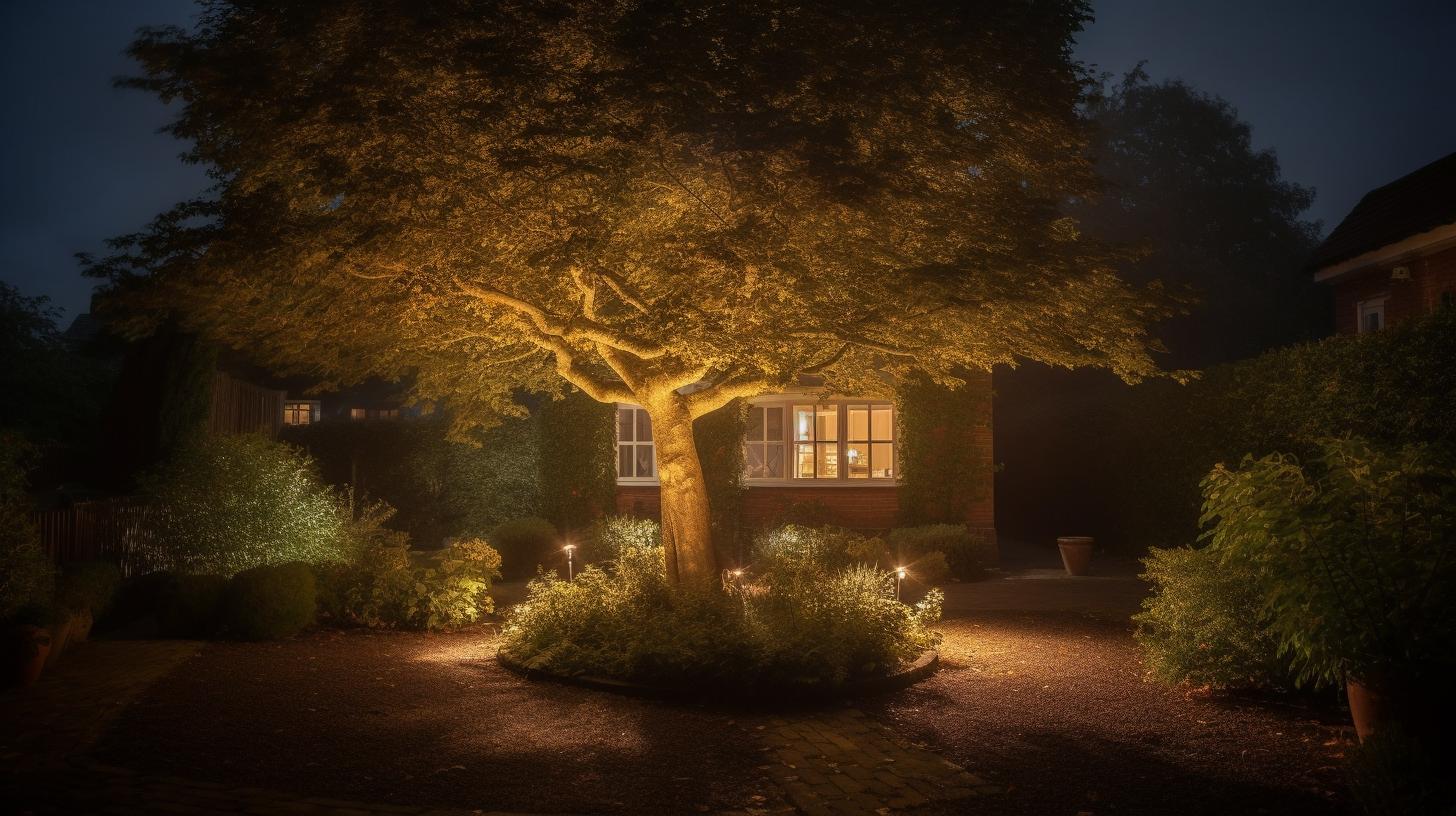
A much-loved garden tree can become part of the household’s daily rhythm. It shades the kitchen window, shelters birds through blustery afternoons, and gives the backyard a sense of privacy that no fence quite matches. Then, almost without notice, its branches begin brushing the roof, the lawn disappears into shade, or a heavy limb starts leaning over the driveway.
For homeowners and small businesses in Waterloo, tree lopping in Waterloo can help maintain safer, tidier outdoor spaces. These changes raise a practical question. How do you keep the benefits of mature trees without allowing them to overwhelm the property?
The answer is rarely as simple as cutting everything back. Thoughtful tree care starts with understanding the tree, the site, and the people using the space beneath it. In Lower Hutt, where gardens, commercial premises, boundaries, and accessways often sit close together, that judgement matters.
Lower Hutt Tree Services is a local company to consider for tree removal services, tree cutting, trimming, and pruning. Whether the concern is a crowded courtyard or a tree that may need removing, a clear conversation about the problem is the best place to begin.
Understanding tree lopping in Waterloo
The word “lopping” is often used casually to describe almost any substantial cutting of a tree. In professional tree care, however, indiscriminately shortening branches is different from carefully planned pruning.
Removing large portions of the canopy without considering structure can leave substantial wounds and encourage vigorous regrowth. That new growth may be poorly attached, creating more maintenance rather than solving the original problem. An apparently quick tidy-up can therefore become an expensive cycle of repeated cutting.
A better starting point is to identify the desired result. Is the aim to create clearance above a roof, remove deadwood, improve access, or assess a damaged limb? Each concern calls for a different response.
Describe the problem before choosing the cut
Instead of asking for a tree to be made “much smaller”, explain what has changed around it. Perhaps a delivery van can no longer reach the rear entrance, or branches are catching against guttering.
Useful details to share include:
- Where branches are interfering with buildings or movement.
- Whether damage appeared after strong winds.
- How the space beneath the canopy is used.
- Whether neighbouring properties could be affected.
- What you would like to retain, including shade, privacy, or screening.
These details help an arborist assess whether selective pruning, branch removal, or another approach is appropriate.
The Value of an Experienced Arborist
Tree work involves more than handling cutting equipment. A competent arborist considers species, growth patterns, structural condition, and the likely effects of each proposed cut.
A tree may look healthy from the kitchen window while having defects that deserve closer inspection. Equally, an untidy-looking specimen is not necessarily dangerous or beyond saving. Professional assessment helps separate appearance from genuine concern.
When arranging tree services, ask who will inspect the tree and who will carry out the work. Discuss relevant qualifications, insurance, access requirements, and how nearby property will be protected.
Understanding the Different Job Titles
You may encounter terms such as tree arborist, tree surgeon, and tree contractor when comparing providers. These descriptions can overlap, so the title alone should not determine your choice.
What matters is whether the person has suitable training and experience for the work involved. Pruning a small ornamental tree and dismantling a large tree beside a building require different equipment, planning, and capabilities.
Ask for an explanation of the proposed work in everyday language. A clear recommendation should cover what will be removed, why it needs removing, and what the remaining tree is likely to look like.
Trimming and Pruning With a Purpose
Tree trimming and tree pruning are often mentioned together, but a useful distinction can be made between maintaining clearance and making cuts for the tree’s structure or condition.
Trimming may address branches extending into a pathway or growing too close to a building. Pruning can include removing dead branches, improving a young tree’s structure, or selectively reducing particular limbs.
Neither should be treated as a one-size-fits-all haircut.
Make Space Without Losing Character
A well-considered pruning plan can retain the character of a mature garden while resolving specific problems. For example, selective cuts may create room above a seating area without stripping away all its summer shade.
The amount that can reasonably be removed depends on the species, age, condition, and previous treatment of the tree. Timing can also matter, particularly where flowering, disease susceptibility, or seasonal growth is involved.
Be cautious about expecting an established tree to fit permanently into a space it has outgrown. Repeated heavy cutting is not always a sustainable solution. Sometimes removal and replacement with a more suitable species deserves consideration.
When Tree Removal Becomes the Sensible Option
Keeping a tree is often desirable, but not every tree can remain safely or practically in place. Tree removal may be considered where a tree is dead, seriously compromised, poorly positioned, or incompatible with planned use of the site.
That decision should be based on an assessment rather than inconvenience alone. Leaf litter, for instance, may be manageable through routine maintenance, while significant structural defects require a different discussion.
A professional tree removal service should explain how the work will be approached, especially where there is limited room for branches to fall.
Access Changes the Job
Two trees of similar size can present very different removal challenges. One may stand in an open lawn; another may be squeezed between a garage, fence, and neighbouring garden.
Factors that can influence the scope and cost include:
- Tree height, spread, and condition.
- Access for workers and equipment.
- Proximity to buildings, roads, and overhead lines.
- Whether sections need controlled lowering.
- The amount of material to be removed.
- Whether stump treatment or removal is included.
Check what the quotation covers. Removing the canopy and trunk does not automatically mean the stump, roots, or every piece of debris will also be taken away.
Branches and Limbs Deserve Their Own Assessment
Sometimes the issue is not the whole tree but one troublesome section. Tree branch removal may address deadwood above a path, while tree limb removal can involve a substantial structural part of the canopy.
The distinction matters because a large limb can be extremely heavy and may behave unpredictably when cut. A branch resting against another branch, fence, or roof can also hold tension that is difficult to judge from the ground.
Avoid the Temptation to Reach Higher
A ladder and a household saw are not substitutes for appropriate tree-working equipment and training. Working overhead introduces risks from falling material, unstable footing, and tools used at awkward angles.
Keep people away from visibly damaged branches and seek advice rather than attempting to pull them down. Where electrical lines are involved, stay clear and contact the electricity network operator. Never assume a branch touching a line is safe to approach.
Palm Trees and Larger Site Projects
Palm tree removal brings a different set of considerations from removing many branching trees. Depending on the species, palms may carry heavy fronds, persistent leaf bases, or sharp features that complicate handling.
Their shape can also disguise how much material needs to be managed. Discuss the entire job, including access, handling of cut sections, and disposal, before work begins.
Plan Land Clearing Beyond the First Cut
Land clearing may be relevant when preparing an overgrown residential section or making space around a small business premises. However, clearing should begin with a plan rather than a blanket instruction to remove everything.
Identify which trees or planting should remain, how machinery will enter, and whether underground services or drainage could be affected. Consider soil exposure and what will replace the vegetation afterwards.
Before authorising major work, check with Hutt City Council about any applicable tree protection, consent, or site restrictions. Boundary ownership and neighbouring interests should also be clarified where relevant.
A Calm Approach to Storm Damage
Strong winds can expose weaknesses that were previously difficult to see. A split limb, partially uprooted tree, or branch resting on a roof warrants caution, even if the weather has improved.
Emergency tree removal is not a task to improvise. The immediate priority is keeping people away from the affected area and avoiding further exposure.
If there is an immediate threat to life, contact emergency services. If power lines are down or involved, keep well clear and notify the network operator.
Prepare Before Urgency Arrives
It helps to know whom you would contact before a storm causes trouble. When speaking with Lower Hutt Tree Services about routine maintenance, ask about availability for urgent situations and the process for reporting damage.
Do not assume that any company offers round-the-clock attendance unless that has been confirmed. Providing photographs from a safe distance and a clear description of access may help a contractor understand the situation, but photographs cannot always replace an on-site assessment.
Frequently Asked Questions
How Often Should Trees Be Pruned?
There is no universal schedule. Species, age, location, condition, and management goals all influence the appropriate interval. Ask for advice specific to the trees on your property rather than booking heavy cutting automatically each year.
Can Pruning Make a Tree Completely Safe?
No. Trees are living structures exposed to changing weather and site conditions. Suitable pruning and regular assessment can help manage certain risks, but no contractor can reasonably guarantee that a tree will never fail.
Should I Speak to My Neighbour Before Work Begins?
It is sensible where access, shared boundaries, or overhanging growth are involved. Confirm ownership and permissions before arranging work. A friendly conversation can also prevent surprises about noise, temporary access restrictions, or changes to screening.
What Should I Ask Before Accepting a Quote?
Request a written description of the work, including the intended cuts or removals, site protection, waste handling, and exclusions. Confirm insurance and relevant experience, and ask how unexpected findings would be handled.
Where Can I Learn More About the Local Company?
The Lower Hutt Tree Services website, lowerhutttreeservices.co.nz, is a starting point for information and enquiries. Describe your property, the tree-related concern, and the outcome you are hoping to achieve, then confirm the proposed services directly.
Give Your Outdoor Space a Thoughtful Next Step
Good tree care is not about making every canopy smaller or every garden tidier. It is about matching the work to the situation while protecting the qualities that make an outdoor space enjoyable.
For a Waterloo household, that might mean retaining shade while clearing a roofline. For a small business, it could mean restoring safe access to an entrance or assessing a damaged tree beside customer parking.
Start with the problem, seek an informed assessment, and ask for a clearly defined plan. A conversation with Lower Hutt Tree Services can help you explore the options for cutting, trimming, pruning, or removal—and decide what makes sense for your corner of Lower Hutt.