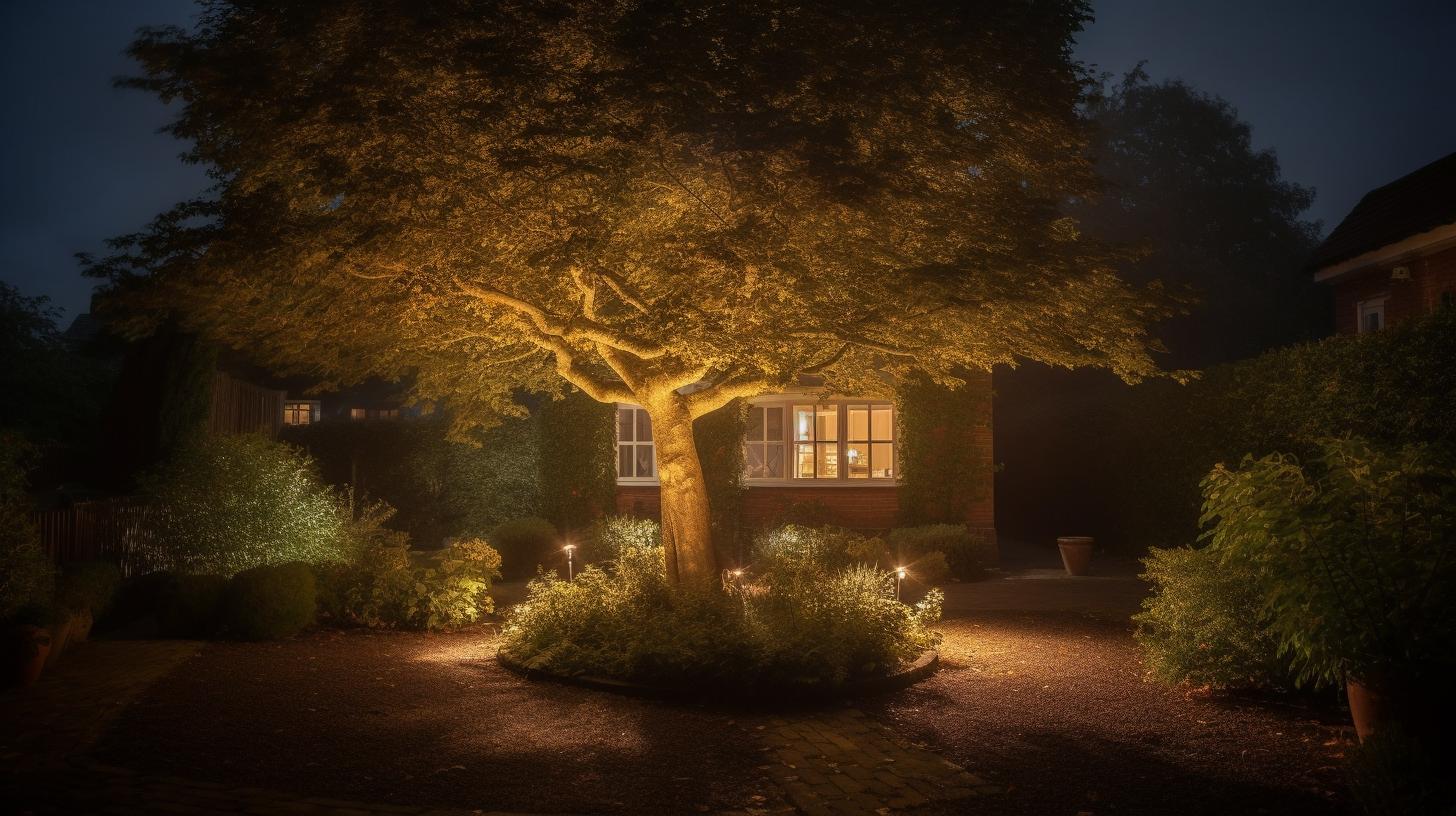
A much-loved tree can become part of a property’s identity. It shades the kitchen window, marks the turn into a driveway and gives a courtyard the privacy that a fence alone cannot provide. Yet trees are living structures, and their relationship with a property changes over time. A branch that once framed the roof may now rest against it. A palm planted beside a path may have outgrown the space. After a storm, familiar shade can suddenly feel less reassuring.
For Sydney homeowners and small business owners, good tree care is about recognising those changes without assuming every problem needs a chainsaw. Sometimes careful pruning is the sensible answer. In other cases, removal deserves serious consideration.
Cronulla Tree Services is a local company to consider when exploring tree removal services, tree cutting, trimming and pruning, including professional tree felling in Sutherland. Before arranging work, it helps to understand the options, the questions worth asking and the difference between a quick visual tidy-up and a well-planned result.
Making Sense of tree felling in Sutherland
The phrase “felling a tree” often brings to mind a trunk falling into an open paddock. Residential and commercial sites rarely offer that kind of space. Across Sutherland and the wider Sydney area, trees may stand close to homes, shopfronts, garages, fences and overhead services.
That setting changes how work must be planned. Depending on the tree and its surroundings, removal may involve taking it down in controlled sections rather than bringing it down in one piece. Access, equipment, branch weight and the space available below all matter.
The first useful question is therefore not simply, “How much does removal cost?” It is, “What does this tree need, and how can the work be carried out appropriately here?”
Start with the problem you want solved
Property owners do not need to diagnose a tree before making an enquiry. A clear description of the concern is more useful than choosing a service name.
You might explain that:
- Branches are touching the roof or obstructing a walkway.
- A large limb has cracked or fallen.
- The canopy appears noticeably thinner than in previous years.
- A tree is interfering with a proposed building project.
- Falling fronds or fruit are creating maintenance problems.
- You want to retain the tree but improve clearance around the property.
Photographs can provide helpful context, although they cannot replace an on-site assessment where one is needed.
An Arborist Brings More Than Cutting Equipment
Tree work involves decisions about living tissue, structural loading and the consequences of removing particular branches. An arborist brings specialist knowledge to those decisions, helping owners distinguish between an appearance issue and a concern that warrants closer investigation.
People may also search for a tree arborist or tree surgeon. These terms are often used when looking for professional tree care, but a title alone does not establish someone’s qualifications or suitability for a particular job.
Ask who will assess the tree, who will carry out the work and what relevant training and insurance they hold. If a formal arborist report is required for a council application or development matter, confirm the required qualification level and report scope before commissioning it.
Assessment should leave room for retention
A recommendation to remove a tree should have a clear explanation. Depending on the circumstances, alternatives may include selective pruning, monitoring or further investigation.
Equally, keeping every tree is not always practical. Significant structural defects, severe decline or unavoidable conflicts with an approved project may make removal the more reasonable choice.
The value of an assessment lies in understanding those trade-offs rather than receiving an automatic recommendation in either direction.
Choosing Between Trimming and Pruning
Tree trimming and tree pruning are often discussed as though they are identical. In everyday conversation, trimming usually describes managing shape, growth or clearance, while pruning can encompass more targeted work on structure, health and damaged branches.
The terminology matters less than the agreed scope. “Give it a good cut back” leaves plenty of room for misunderstanding. A clearer request identifies which branches are causing problems and what the finished result should achieve.
Make every cut serve a purpose
Well-considered pruning may help create clearance above a driveway, remove deadwood or reduce interference with a building. It should also account for the species, condition and growth habit of the tree.
Removing too much foliage can stress a tree, while poorly positioned cuts can create lasting problems. Heavy cutting is not automatically more effective, and a dramatically smaller canopy is not necessarily a better outcome.
Before work begins, ask:
- What is the objective of the proposed pruning?
- Which branches will be removed?
- How will the work affect the tree’s future growth?
- Are permissions or additional checks required?
- What follow-up maintenance might be needed?
These questions make it easier to compare proposals fairly.
Approach tree lopping with care
Tree lopping is a familiar search term, but it can describe severe cutting that leaves large stubs or strips away substantial sections of canopy. Such work may encourage vigorous regrowth with weak attachments and create future maintenance problems.
If someone proposes lopping, ask them to describe exactly what they mean. A defined pruning plan is more informative than a broad promise to make a tree smaller.
When Tree Removal Becomes the Practical Option
Tree removal can be an emotional decision, particularly where a mature specimen has shaded a family home for decades. Still, attachment should sit alongside an informed understanding of condition, location and foreseeable risks.
A tree removal service may be appropriate where a tree cannot reasonably be retained, subject to the necessary approvals and site assessment. The process should account for more than the trunk and canopy.
Nearby landscaping, pedestrian access, vehicles, neighbouring property and underground services may all influence planning. Stump grinding, timber handling and site clean-up should also be discussed rather than assumed.
Palm tree removal needs its own conversation
Palms present a different set of maintenance and removal considerations from many broad-canopied trees. Height, trunk characteristics, retained fronds, fruit and access can all influence the work.
For a courtyard café, falling fruit may create a regular housekeeping task. For a household, heavy fronds over a frequently used path may prompt a closer assessment.
Ask whether the concern can be addressed through maintenance or whether palm tree removal is the more suitable option. Avoid treating every untidy palm as a removal candidate.
Smaller Branches Still Deserve Careful Planning
A hanging branch above a driveway may seem minor compared with removing an entire tree. However, tree branch removal and tree limb removal can involve substantial loads, awkward angles and stored tension.
Branches resting on structures, caught in other branches or affected by storm damage are particularly unsuitable for casual do-it-yourself cutting. Their movement can be difficult to predict.
Keep people and pets away from the area while seeking advice. If a branch is near powerlines, stay clear and contact the electricity network operator or emergency services as appropriate. Never attempt to move it yourself.
Tree cutting is not simply a ladder job
A ladder, a saw and a willing helper are not a substitute for safe access and a controlled work method. Cutting can shift weight unexpectedly, and a branch may swing rather than drop straight down.
Even apparently straightforward jobs deserve realistic boundaries. Ground-level garden maintenance and elevated structural cutting are very different tasks.
Planning Tree Services Around Everyday Life
For small businesses, tree services may need to fit around deliveries, customer access and neighbouring tenancies. At home, the practical concerns might be school drop-off, shared driveways or keeping a dog securely indoors.
Good preparation makes the day less disruptive. Discuss access widths, parking requirements and any areas that must remain available. Let the contractor know about fragile paving, irrigation, septic infrastructure or other features that may not be obvious.
A useful written quote should clarify:
- The tree or trees covered by the work.
- The agreed removal or pruning scope.
- Whether stump work is included.
- How branches, logs and mulch will be handled.
- The arrangements for clean-up.
- Any exclusions or conditions affecting the price.
When contacting Cronulla Tree Services, use the company’s website as a starting point for enquiries and confirm the details relevant to your property directly.
Land Clearing Requires a Wider View
Land clearing is not simply several individual removals added together. It can affect habitat, drainage, erosion and the layout of a future garden or development.
Before clearing begins, establish what vegetation is approved for removal and what must be protected. Requirements vary according to the property, vegetation and proposed activity, so assumptions based on a neighbour’s project are unreliable.
For sites in Sydney, check the relevant council requirements and any other applicable controls. A contractor’s availability does not itself mean the work is authorised.
Retained trees also need consideration. Machinery movement, stockpiles and changes to ground levels can damage roots even where the trunk remains untouched. Early planning can help avoid losing a tree that was intended to stay.
Emergency Tree Removal After Severe Weather
After strong winds or heavy rain, urgency can make every decision feel compressed. A split trunk, partially uprooted tree or suspended limb calls for caution, not a closer inspection from underneath.
Move away from the affected area and prevent others from entering it where this can be done safely. If there is immediate danger to people, contact emergency services.
When enquiring about emergency tree removal, describe what has happened, whether access is blocked and whether buildings or services are involved. Confirm availability rather than assuming every provider offers an around-the-clock response.
Photographs taken from a safe location may assist an initial discussion, but personal safety comes first.
Frequently Asked Questions
Do I need council approval to remove a tree?
Possibly. Requirements depend on the location, tree characteristics, applicable protections and circumstances. Check with the relevant council before arranging removal or substantial pruning. Do not assume a tree is exempt because it stands on private land.
Is pruning always cheaper than removal?
Not necessarily. Cost depends on the scope, access, equipment and complexity of the work. The better comparison is between suitable options that address the problem, including likely future maintenance.
Can a tree be removed without damaging the garden?
Careful planning can reduce impacts, but no responsible discussion should promise that every surrounding surface or plant will remain unaffected. Identify sensitive areas beforehand and ask how they will be managed.
Should I keep the mulch?
Mulch may be useful for suitable garden areas, provided you have space and understand what material will be supplied. Discuss quantity, placement and suitability before agreeing to retain it.
How often should trees be checked?
There is no single schedule for every property. Species, age, condition and location all influence appropriate inspection intervals. Seek advice after significant damage or noticeable changes rather than waiting for a routine visit.
Give Your Property a Better Canopy Plan
The best tree care begins with a clear purpose. That might mean preserving summer shade, keeping a shop entrance accessible or dealing with a tree that can no longer be retained sensibly.
For property owners considering Cronulla Tree Services, a useful first step is to gather photographs, note the changes you have observed and prepare questions about assessment, permissions and scope. A considered conversation can help turn a vague concern into a practical plan.
Whether the outcome is selective pruning, careful branch removal or complete removal, the aim is the same: a property that works better for the people using it, with tree decisions made thoughtfully rather than in haste.