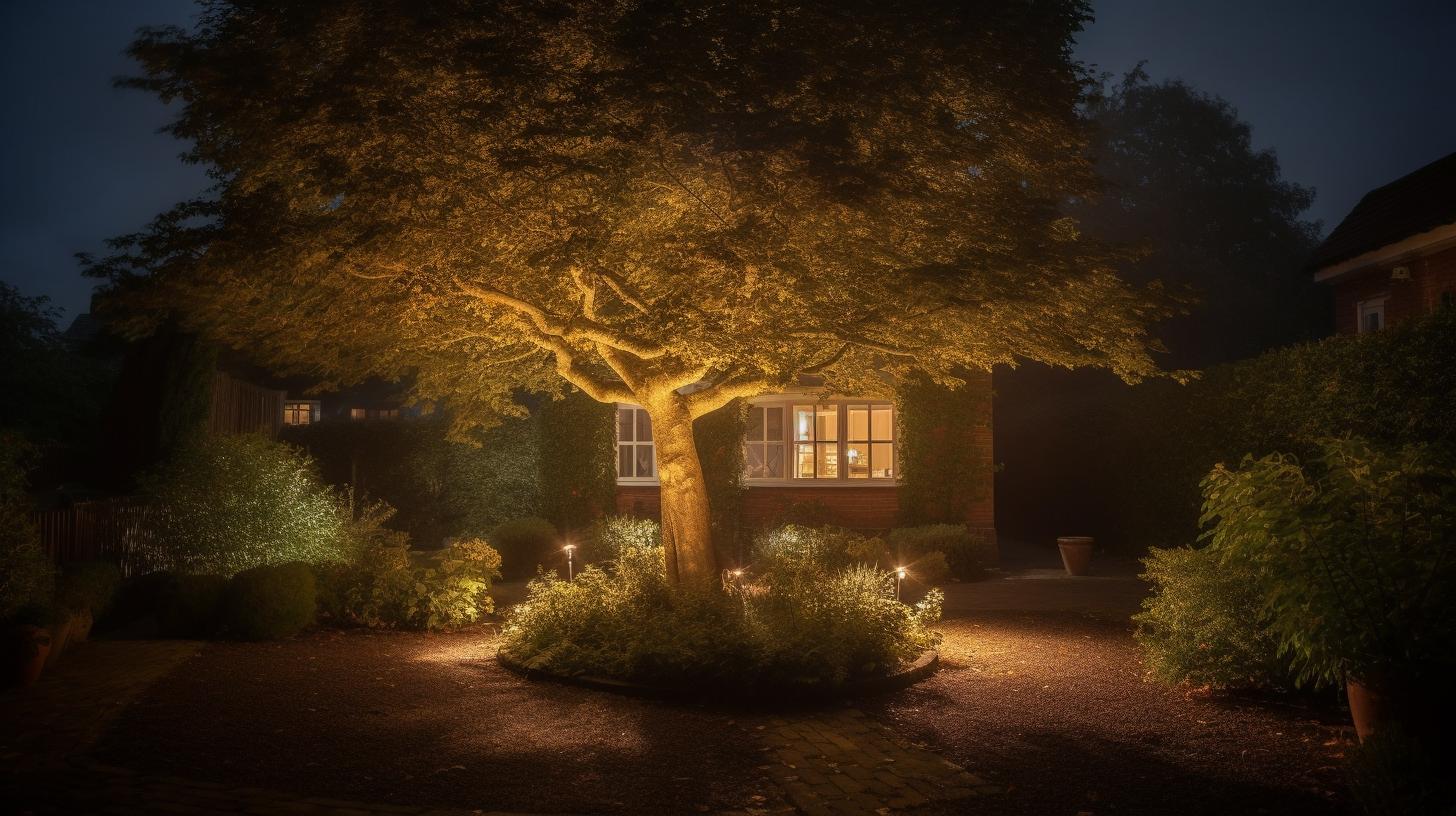
A mature tree can make a property feel settled long before the furniture is unpacked. It shades the afternoon windows, softens the view from the street and gives birds somewhere to gather. Yet the same tree can become a source of uncertainty when branches overhang a roof, roots disturb a driveway or a split appears after wild weather.
For homeowners and small business operators in Doonside, looking after trees is part of looking after the whole property. A neglected canopy can affect access, visibility and maintenance costs. On the other hand, unnecessary cutting can damage a healthy tree and remove years of valuable shade.
The sensible middle ground is informed care. Blacktown Tree Trimming is a local business to consider for tree removal services, tree cutting, trimming and pruning. Whether the issue is a crowded backyard, an awkward branch above a shop entrance or a tree that needs closer assessment, an experienced arborist in Doonside for practical tree care advice can help make the next conversation much more useful.
When to Call an arborist in Doonside
Tree problems do not always announce themselves dramatically. Sometimes the first clue is a branch that has stopped producing leaves. Sometimes it is a new lean, a cavity in the trunk or soil lifting near the base.
These signs do not automatically mean a tree must go. They do, however, justify closer attention, particularly where people, buildings or parked vehicles are within reach.
An arborist assesses trees with their health, structure and surroundings in mind. The aim is not simply to decide what can be cut, but to understand what should be done and why.
Look Beyond the Most Obvious Branch
A large limb hanging over a fence may draw the eye, but the underlying issue could involve an old pruning wound, decay or an uneven canopy. Equally, a tree that looks untidy may be structurally sound and need only modest maintenance.
Useful reasons to request an assessment include:
- Dead, cracked or hanging branches.
- Sudden changes in leaf cover or canopy density.
- Fungal growth around the trunk or root area.
- Branches rubbing against buildings.
- A noticeable change in the tree’s position.
- Planned construction close to established roots.
Treat these as prompts for professional advice rather than a checklist for diagnosing a tree yourself.
Choosing the Right Kind of Tree Care
“Tree services” is a broad description. It can cover anything from selective pruning to removing a large tree in sections. Knowing the difference helps property owners describe their priorities without committing to an unsuitable solution.
Blacktown Tree Trimming’s tree cutting, trimming, pruning and removal services can be discussed in terms of a specific outcome: safer access, better clearance, improved structure or the removal of a tree that cannot reasonably be retained.
Tree Trimming for Practical Clearance
Tree trimming often focuses on managing growth around the way a property is used. Branches may need clearance from a roof, driveway, walkway or outdoor seating area.
For a small business, this might mean keeping the entrance visible and preventing low branches from obstructing customers. At home, it could mean making room above a garden path without sacrificing the canopy that shades it.
The important detail is restraint. Removing more foliage than necessary can stress a tree and encourage unwanted regrowth.
Tree Pruning for Health and Structure
Tree pruning is more selective. It may involve removing deadwood, addressing rubbing branches or guiding the structure of a young tree.
Well-chosen cuts can help a tree develop more appropriately for its surroundings. Poor cuts, by contrast, can leave large wounds or create weakly attached shoots.
There is no universal pruning calendar for every tree in a Doonside garden. Species, condition, growth stage and the reason for the work all matter. A useful recommendation should explain both what will be removed and what will remain.
Why Tree Lopping Needs Careful Discussion
Tree lopping is a familiar phrase, but it can describe heavy cutting that removes substantial sections of a canopy without regard for the tree’s natural structure.
Indiscriminate lopping may produce rapid regrowth while leaving the tree with decay-prone wounds and future maintenance problems. It should not be confused with carefully planned pruning or a justified reduction.
When discussing a quote, ask for the proposed work in plain language. “Reduce everything by half” is far less informative than a clear explanation of the branches involved and the intended result.
When Removal Becomes the Sensible Option
Retaining a healthy tree is often worthwhile, but not every tree suits its location indefinitely. Serious structural defects, advanced decline or unavoidable conflicts with approved works may make tree removal the practical choice.
The decision should account for the whole setting. A tree beside an open lawn presents a different job from one growing between a house, shed and neighbouring fence.
What Shapes a Tree Removal Service
A tree removal service may involve controlled dismantling rather than simply felling the tree from the ground. Sections might need to be lowered carefully to avoid damage beneath the canopy.
Factors that can influence the work include:
- Tree height, spread and condition.
- Access for workers and equipment.
- Nearby buildings, roads and utility infrastructure.
- Space available for handling branches and timber.
- Whether stump treatment is included.
- Waste removal and final cleanup requirements.
Before authorising work, check whether council approval or another permission is required. Requirements can vary with the tree, property and circumstances, and apparent hazards do not automatically remove every approval obligation.
Palm Tree Removal Has Its Own Challenges
Palm tree removal deserves a separate conversation. The trunk, crown and heavy fronds can require a different handling approach from a branching tree. Some palms also carry sharp spines or retain substantial dead material.
A narrow side passage or poolside location can make access particularly important. Ask how the palm will be dismantled, what protection is proposed for surrounding surfaces and whether the stump is part of the quoted work.
Branches Deserve More Than a Quick Cut
A single branch can create a surprisingly complicated job. It may be caught in another tree, resting on a roof or carrying tension that is not obvious from the ground.
Tree branch removal is therefore not always a suitable weekend task. Ladders, chainsaws and unpredictable timber movement are a hazardous combination.
Keep Your Distance From Suspended Limbs
If a branch is hanging or partly detached, keep people and pets away from the area beneath it. Do not tug at it with a rope or stand underneath to inspect the break.
Branches near powerlines require particular caution. Stay clear and contact the relevant electricity network or emergency services where there is immediate danger. An ordinary garden contractor should not be assumed to have the authorisation or equipment required for work near electrical infrastructure.
Storm Damage Needs Calm Decisions
After a severe storm, the urge to clear everything immediately is understandable. A blocked driveway or damaged fence can turn a normal morning into a logistical headache.
Emergency tree removal, however, starts with making the situation safe—not with rushing towards the fallen timber.
Establish a Safe Boundary First
Keep away from damaged trees, unstable limbs and any suspected electrical contact. If there is an immediate threat to life, call emergency services.
Once urgent hazards have been addressed, describe the situation clearly when seeking assistance. Useful details include whether the tree has fallen, what it is resting on and whether access to the property is blocked.
Photographs taken from a safe position may help a service provider understand the job, but never approach a hazard just to get a better image. Emergency availability should also be confirmed directly rather than assumed from a company’s general service offering.
Make Space Without Clearing Everything
Land clearing can sound like a blank-slate exercise, yet thoughtful planning often involves deciding what to keep as much as what to remove.
For a residential renovation or small commercial site, retained trees may provide shade, privacy and a more established appearance. Clearing first and thinking later can leave a property hotter, barer and more expensive to landscape.
Match Clearing to an Approved Plan
Before arranging land clearing, identify the proposed work area, check relevant approvals and consider how machinery could affect trees remaining nearby. Root zones need protection even when trunks are outside the construction footprint.
It is also worth separating vegetation removal from other site preparation tasks. Clearing trees does not necessarily include excavation, soil disposal or preparing foundations. A precise scope prevents misunderstandings.
Remember What Happens Below Ground
Removing the canopy and trunk does not automatically remove the stump. That distinction matters if the space is intended for a new path, garden bed or outdoor seating area.
Tree and stump removal should be discussed as related but potentially separate parts of the project.
Decide How the Space Will Be Used
Stump grinding can reduce the remaining stump below ground level, but it does not necessarily extract every root. Full excavation may involve greater disturbance and is not always necessary.
Tell the contractor what comes next. Growing lawn, laying paving and constructing a building each place different demands on the site. Ask who will remove grindings, supply replacement soil and complete any finishing work.
Getting a Useful Quote From Blacktown Tree Trimming
A good enquiry begins with a clear description of the problem. Rather than requesting “a big cutback,” explain that branches touch the gutter, delivery vehicles cannot pass easily or a damaged limb needs assessment.
Blacktown Tree Trimming’s website, blacktowntreetrimming.com.au, is a starting point for reviewing the business and making an enquiry. Confirm current service coverage, availability and the suitability of the proposed work directly.
Questions Worth Asking
Before accepting a quote, consider asking:
- What work is recommended, and why?
- What relevant qualifications and insurance apply to the job?
- Are permissions needed before work begins?
- Does the price include timber, branch and stump waste?
- How will nearby structures and garden areas be protected?
- What access and preparation are required?
These questions help compare like with like. The cheapest figure may not represent the same scope as a more detailed proposal.
Frequently Asked Questions
Is a tree surgeon the same as an arborist?
“Tree surgeon” is a commonly used term for someone carrying out practical tree care. Job titles alone do not establish qualifications, so ask about the training and experience relevant to the assessment or work required.
Can pruning solve every overhanging branch problem?
No. Some branches can be managed with selective pruning, while others involve structural concerns or would require cuts that seriously compromise the tree. Ownership, boundary issues and local rules may also need consideration before work proceeds.
Should a tree be removed because it drops leaves?
Leaf litter alone does not necessarily justify removal. Maintenance, suitable pruning where appropriate and changes to gutter protection may help. Weigh the inconvenience against the tree’s shade, privacy and broader value.
Does every removal include the stump?
Not necessarily. Ask for stump work to be specified in the written quote, including the proposed method, depth where relevant and cleanup arrangements.
Give Your Outdoor Space a Better Plan
Good tree care is rarely about making the biggest cut. It is about matching the work to the tree, the site and the people who use it.
For Doonside households and small businesses, that might mean modest pruning, careful branch removal or a properly planned removal followed by a fresh landscape idea. Start with an assessment, check the necessary permissions and ask Blacktown Tree Trimming for a clearly defined proposal. A little preparation can preserve what you value while making the property safer and easier to enjoy.