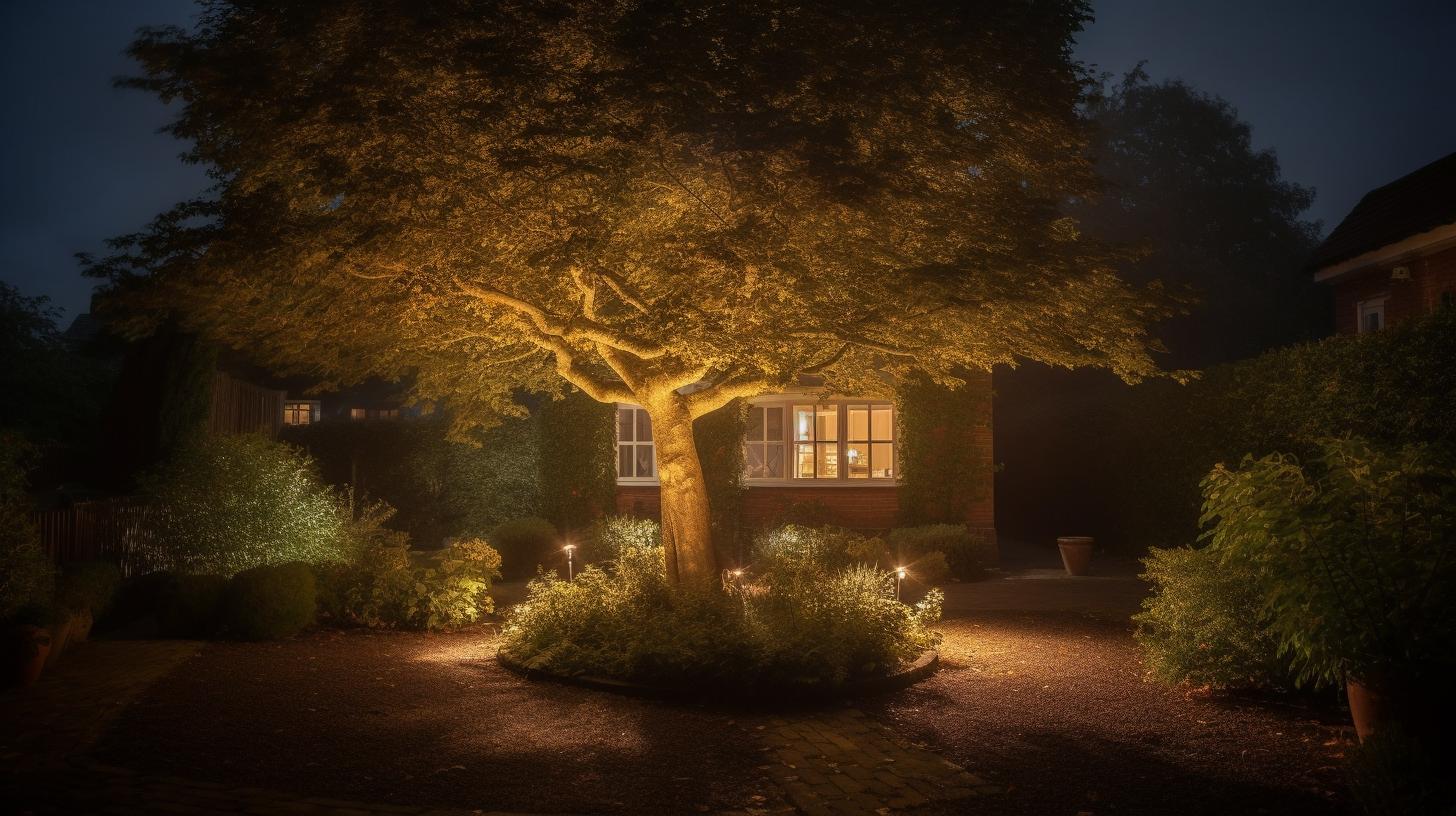
A favourite tree can become part of a property’s identity. It shades the kitchen window, marks the edge of the garden and offers a familiar perch for visiting birds. At a small business, it might soften the car park or make an outdoor seating area feel welcoming. We often notice these quiet contributions only when something changes.
Perhaps a heavy branch begins hanging over the driveway. Perhaps a palm has outgrown its narrow courtyard, or a once-sunny lawn now stays damp beneath a dense canopy. Suddenly, caring for the tree becomes a decision about the whole space.
For homeowners and business owners across the Bay of Plenty, good tree care starts with understanding the problem before choosing the solution. Sometimes a thoughtful prune is enough. Sometimes removal is the more practical option.
Bay of Plenty Tree Care is a local company to consider for tree removal in the Bay of Plenty, as well as tree cutting, trimming and pruning. The most useful conversation with any provider begins not with “How much can you cut?” but with “What does this tree—and this property—actually need?”
Understanding tree removal Bay of Plenty properties may need
Removing a tree can feel like a significant change, especially when it has been growing for decades. Yet retaining every tree is not always the safest or most sensible outcome. The aim is to distinguish between a tree that needs attention and one that is no longer suitable for its location.
A professional assessment can help identify structural concerns, consider nearby buildings and explain whether pruning offers a reasonable alternative.
Look beyond the obvious symptoms
A tree does not have to be visibly dead to deserve attention. Equally, a few dead twigs do not automatically mean the whole tree needs removing.
Reasons to seek advice include:
- Large dead or broken branches above frequently used areas.
- A new lean, particularly following strong winds or saturated ground.
- Visible cracking around major branch unions.
- Soil lifting or movement near the base.
- Significant decay, cavities or fungal growth.
- Repeated damage to nearby structures or essential access routes.
These signs are prompts for assessment, not a diagnosis. Tree condition depends on species, age, structure, growing conditions and the consequences of a possible failure.
For a residential garden, the concern might be a branch above a child’s play area. For a business, it could be a compromised tree beside customer parking. The same defect can carry different levels of risk depending on what lies beneath it.
The value of an arborist’s perspective
Tree work involves more than operating a chainsaw. An arborist understands how trees grow, respond to injury and distribute weight through their branches and roots. That knowledge helps connect immediate maintenance with the tree’s longer-term condition.
You may hear the terms tree arborist or tree surgeon when researching providers. Rather than relying on a title alone, ask about relevant qualifications, experience, insurance and the proposed approach to your particular job.
Assessment before action
A useful site discussion should cover what you have noticed, what outcome you want and what constraints affect the work.
For example, a homeowner may ask for a tree to be made smaller because a room feels dark. The better solution might involve selective canopy work rather than removing large sections indiscriminately. In another case, pruning may offer only a short-lived improvement because the tree has fundamentally outgrown its position.
Ask the provider to explain:
- What condition is the tree in?
- Can it reasonably be retained?
- What would the recommended work achieve?
- What are the limitations or likely future maintenance needs?
- How will the surrounding property be protected?
Clear explanations make it easier to compare recommendations, not just prices.
Choosing between trimming and pruning
People often use tree trimming and tree pruning interchangeably. In everyday conversation, that is understandable, although the intended purpose matters more than the label.
Trimming commonly describes managing shape, spread or clearance. Pruning may involve more selective work to remove damaged growth, improve structure or address a specific issue. A good quotation should describe the actual work rather than leaving everything under a vague promise to “tidy the tree”.
Let the objective guide the cuts
Different properties call for different outcomes. A shopfront may need better visibility from the street. A garden may benefit from clearance over a path. A tree near a roof may need selected branches removed without losing its natural form.
Appropriate pruning can help manage these needs, but more cutting is not necessarily better. Excessive removal of live foliage can stress a tree, while poorly positioned cuts can create lasting problems.
The timing also matters. Species, flowering habits, health and seasonal conditions can all influence when particular work is best undertaken.
Be cautious about tree lopping
Tree lopping is a familiar expression, but it can describe crude cutting that removes major sections without regard for the tree’s structure. Severe topping may leave large wounds and encourage vigorous regrowth that requires further management.
If someone recommends lopping, ask exactly what they mean. A clear description of the intended cuts, the reason for them and the likely response is much more useful than a broad term.
The goal should be a considered outcome, not simply a shorter tree.
When a single branch becomes the priority
Not every tree problem requires work across the whole canopy. Sometimes the issue is a cracked limb, a branch rubbing against a building or storm-damaged growth over an entrance.
Tree branch removal can address a localised concern while retaining the wider benefits of the tree. However, removing one substantial branch can still be technically demanding.
Small scope does not always mean simple work
Tree limb removal above a greenhouse, roof or busy driveway requires control over where the material goes. Branches may need to be lowered in sections rather than allowed to fall.
Access is equally important. A tree in an open paddock presents a different working environment from one behind a shop, beside a glass fence or above a narrow shared driveway.
Before work begins, discuss:
- Nearby buildings, vehicles and outdoor furnishings.
- Pedestrian routes and customer access.
- Power lines and other overhead services.
- Machinery access and ground conditions.
- Where branches and timber will be placed.
Never attempt tree cutting near power lines yourself. Keep clear and seek guidance from the electricity network operator or an appropriately authorised professional.
Making room without losing the garden’s character
There are situations where a tree removal service is the most practical choice. A tree may be dead, structurally compromised or unsuitable for the available space. It may also stand within the footprint of a planned building project.
Removal does not have to mean abandoning greenery. It can create an opportunity to choose planting that better suits the site.
Plan what happens after the tree comes down
A complete discussion should include more than felling or dismantling the tree. Ask what happens to branches, logs, wood chips and the stump.
Stump grinding is not automatically included in every removal quotation. Nor is the removal of all resulting material. Clarifying these points helps avoid a garden that is technically cleared but not ready for its next use.
Think ahead about whether you want:
- A new planting bed.
- Clear access for landscaping.
- Firewood retained in manageable lengths.
- Suitable wood chips kept for garden use.
- Advice on replacement planting.
For a small business, reinstatement may also involve signage visibility, parking arrangements and keeping an entrance presentable.
Give palm tree removal its own discussion
Palms bring a distinctive feel to many Bay of Plenty properties, but they can become awkward where space is limited. Their crowns, trunks and fronds require a considered handling and disposal plan.
If palm tree removal is being considered, ask about access, nearby structures, stump treatment and the handling of the resulting material. Do not assume the process or disposal arrangements will be identical to those for another garden tree.
Preparing for storms and unexpected damage
Strong winds and heavy rain can turn an unnoticed weakness into an urgent problem. Preventive maintenance cannot eliminate every risk, but checking trees near buildings and well-used spaces can help identify issues before severe weather arrives.
After a storm, resist the temptation to inspect damaged branches from directly underneath them.
Know when to step back
A split limb may remain suspended in the canopy. A fallen tree may be tangled with another tree or resting against a structure. Timber under tension can move suddenly when cut.
If there is immediate danger to people, contact emergency services. Where power lines are involved, stay well clear and contact the relevant electricity provider.
For other urgent tree damage, seek a suitably equipped professional and confirm whether emergency tree removal is available. When contacting Bay of Plenty Tree Care, describe the situation clearly and ask about current availability rather than assuming an immediate response.
Photographs taken from a safe distance may help explain the problem, but they should never require entering a hazardous area.
A considered approach to land clearing
Land clearing can range from opening an overgrown section to preparing part of a commercial property for a new use. Before arranging broad clearance, establish exactly what needs removing and what should remain.
Mature trees, useful shelter and desirable planting can easily be lost when the brief is simply to “clear everything”.
Check the boundaries and the rules
Confirm property boundaries and discuss access where neighbouring land may be affected. Before significant pruning or removal, check with the relevant local council about protected trees, resource consent requirements and any site-specific restrictions.
Do not assume that ownership automatically means unrestricted permission to remove vegetation.
A clear plan should identify retained trees, working areas, material disposal and the intended condition of the site afterward. If clearance extends beyond ordinary tree work, ask whether additional contractors or specialist advice will be needed.
Frequently asked questions
How do I know whether a tree needs removing?
Start with an assessment. Dead growth, decay, cracking or changes in lean can justify professional attention, but none should be interpreted in isolation. Ask whether pruning or another management approach is a reasonable alternative.
How much do tree services cost?
Cost depends on factors such as tree size, condition, access, nearby hazards and the amount of material to be handled. Obtain a written quotation that clearly defines the work and any exclusions.
Should I choose the cheapest quote?
Price matters, but compare the scope as well. Check insurance, relevant experience, debris removal, stump arrangements and how the provider intends to protect surrounding property.
Can I prune a large tree myself?
Work involving climbing, ladders, chainsaws or heavy overhead branches carries significant risk. Large or difficult pruning is best discussed with an appropriately qualified and equipped professional.
Where can I learn more about Bay of Plenty Tree Care?
The company’s website, bayofplentytreecare.co.nz, is a starting point for exploring its tree care services and making an enquiry. Confirm the specific work required, availability and quotation details directly.
Give your outdoor space a clearer future
The best tree decisions balance safety, practicality and the character of a place. Sometimes that means retaining a much-loved tree with careful pruning. Sometimes it means removing a problem tree and planting something better suited to the space.
Before booking work, walk around your property and note what matters most: a clear entrance, a healthier canopy, more usable garden space or reassurance about a damaged limb.
Then take those priorities to Bay of Plenty Tree Care. A well-defined brief and a thoughtful site discussion can help turn an uncertain maintenance job into a purposeful improvement—one that leaves your home or business ready for its next season outdoors.