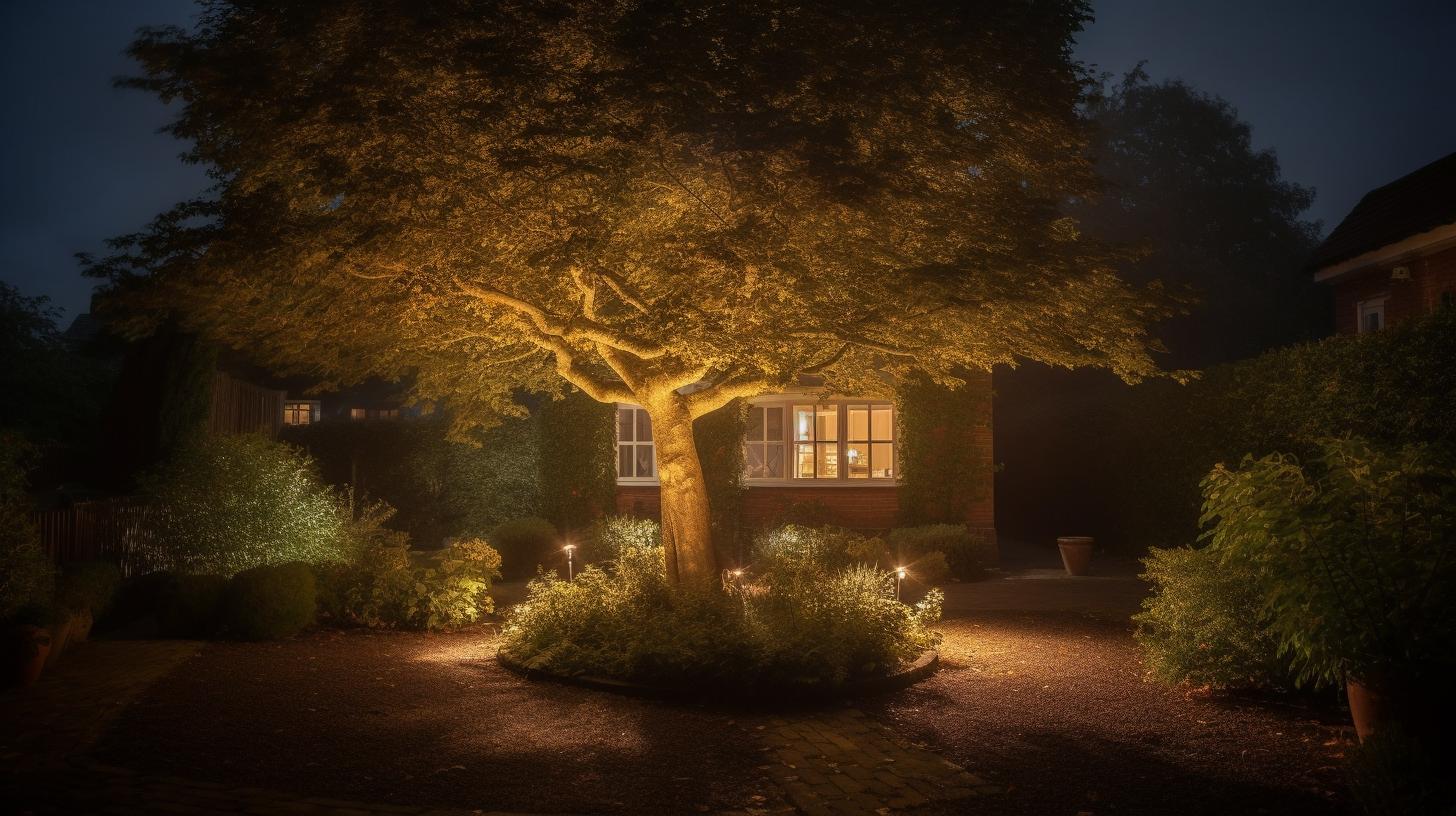
A tree can become part of a property’s identity almost without anyone noticing. It frames the kitchen window, shades the summer barbecue and marks the spot where the children once built a makeshift hut. Then something changes. A branch begins brushing the roof, the lawn beneath it struggles for light, or a strong Canterbury wind leaves a split limb hanging over the driveway.
Suddenly, that familiar tree needs a fresh look.
For homeowners and small businesses in Christchurch, good tree care is about balancing what makes a property pleasant with what keeps it practical and safe. Sometimes that means carefully pruning a much-loved specimen. Sometimes it means removing a tree that has outgrown its surroundings. Often, the most useful first step is simply understanding the options, including professional tree cutting in Hornby for safer, tidier outdoor spaces.
Christchurch Arborist provides tree care, removal and maintenance services for local properties. For readers exploring the company through its website, christchurcharborist.nz, the starting point is a straightforward question about the trees outside their own door. What needs attention, and what approach makes sense?
Looking Beyond tree cutting in Hornby
The phrase might suggest a chainsaw and a pile of branches, but professional tree work begins well before cutting starts. An arborist considers the whole tree, its condition and its relationship with the surrounding space.
In Hornby, that space might be a family garden, a commercial frontage, a narrow boundary strip or a yard needed for deliveries and parking. The same-sized tree can present very different challenges in each setting.
A mature canopy over an open lawn is one thing. A similar canopy extending across a workshop roof, neighbouring fence and busy entrance requires a different plan.
Reading the tree and its surroundings
A useful assessment considers more than height. Branch structure, visible defects, access, nearby buildings and the way people use the property all influence the work.
Details worth discussing include:
- Branches touching roofs, gutters or exterior walls.
- Dead, damaged or partially detached limbs.
- Canopies obstructing paths, signs, driveways or parking spaces.
- Changes around the roots following excavation or construction.
- The amount of shade the property needs to retain.
- Access for workers, equipment and the removal of debris.
These observations help turn a vague concern about an “overgrown tree” into a clear brief. They also help distinguish an appearance issue from something that needs prompt professional attention.
Understanding the Different Types of Tree Work
People often use tree trimming, tree pruning and tree lopping interchangeably. However, the terms can describe quite different approaches, with different consequences for the tree.
Understanding the basics makes it easier to ask useful questions and compare recommendations.
Tree trimming for clearance and shape
Tree trimming generally focuses on managing growth where it interferes with the use or appearance of a space. That could mean creating clearance beside a footpath, keeping foliage away from a building or maintaining a manageable outline.
For a small business, careful trimming may improve visibility from the street without stripping away the greenery that makes the premises inviting. At home, it may help keep an entrance open while preserving shade and privacy.
The aim should be a defined improvement, rather than simply making the tree smaller everywhere.
Tree pruning for structure and condition
Tree pruning is more selective. It can involve removing deadwood, addressing crossing branches or improving the structure of a developing tree.
Well-considered pruning looks ahead. A small structural adjustment to a young tree may reduce the need for a much larger intervention later. With mature trees, the emphasis may be on retaining useful canopy while addressing particular defects or clearance needs.
Timing and technique depend on the species, the tree’s condition and the intended outcome. There is no single pruning calendar that suits every tree in a Christchurch garden.
Why tree lopping deserves a careful conversation
Tree lopping commonly refers to cutting back substantial branches without the same attention to natural structure. Although a heavily reduced tree may initially look tidier or less imposing, drastic cutting can create large wounds and encourage vigorous regrowth.
That does not mean every substantial reduction is inappropriate. It means the reason for the work, the method and the likely response of the tree should be discussed first.
A recommendation should explain what the cutting will achieve, rather than treating a smaller canopy as an automatic improvement.
Knowing When Tree Removal Makes Sense
Keeping an established tree is often desirable, but retention is not always the most suitable option. A tree may be dead, badly damaged, poorly positioned or incompatible with the practical requirements of a site.
Tree removal is a significant decision because it changes the property immediately. Light levels, privacy, outlook and even the feeling of enclosure can all shift.
Looking at the whole property
Before arranging a tree removal service, consider what will happen after the tree is gone. Will an exposed boundary need planting? Is the space intended for a new driveway, garden bed or building project? Does the stump need to be removed for that plan to work?
Ask what the proposed work includes. Cutting down a tree, taking away branches, processing timber and dealing with the stump are separate tasks that should be clearly addressed in the scope.
Avoid assuming that “removal” automatically includes every stage of site restoration.
Making room without starting from scratch
Sometimes the goal is not to remove all vegetation but to make a crowded garden more usable. Selective removal may allow better-positioned trees to develop while opening space for seating, planting or access.
This is where a property-wide view becomes valuable. Removing one unsuitable tree may achieve more than repeatedly cutting back several others.
Small Branch Problems Can Need Serious Planning
A single branch may seem like a modest job, yet its position can make removal complicated. Weight, attachment, height and the landing area all matter.
Tree branch removal above an empty patch of lawn is different from removing growth over a conservatory, a shared driveway or a parked work vehicle.
Why limb size can be deceptive
A leafy branch often looks lighter from the ground than it actually is. Once cut, it can swing, split or fall in an unexpected direction. Tree limb removal may therefore require controlled lowering rather than allowing material to drop freely.
The same caution applies to branches under tension after storm damage. A limb resting against another tree or structure can move suddenly when that tension changes.
Homeowners and business operators should avoid climbing, using a ladder with a chainsaw or attempting to free a suspended limb themselves. Keeping people clear and arranging professional assessment is the safer response.
Palms Bring Their Own Challenges
Palm tree removal deserves separate consideration because palms have a different form from branching trees. Their crowns can contain heavy fronds and accumulated material, while their trunks and site positions can affect the removal method.
A palm beside a pool, courtyard or entrance may offer a distinctive look but become awkward to maintain as it grows taller.
Before work begins, discuss nearby surfaces, access and how the trunk and crown material will be handled. If replacement planting is planned, it is also useful to consider the available root space and the scale of the new plant at maturity.
Choosing a replacement for its eventual size, rather than its nursery size, can prevent the same problem returning years later.
Preparing for Unexpected Tree Damage
Christchurch weather can expose weaknesses that were not obvious during calmer conditions. After strong winds, a tree may show fresh splits, hanging branches or movement around its base.
Emergency tree removal may be needed where a damaged tree presents an immediate hazard, but not every fallen branch requires the same response.
What to do before help arrives
If a tree or limb appears unstable:
- Keep people and pets away from the affected area.
- Avoid parking or walking beneath damaged branches.
- Do not attempt to shift timber touching power lines.
- Contact the relevant electricity network operator if electrical infrastructure is involved.
- Seek professional advice and describe the damage clearly.
If there is immediate danger to life, contact emergency services.
When contacting a tree company, explain whether access is blocked, buildings are affected or branches remain suspended. Photographs taken from a safe position may help communicate the situation. Availability and response arrangements should always be confirmed directly rather than assumed.
Planning Land Clearing With Purpose
Land clearing can support a new garden layout, an extension or a more functional commercial yard. However, clearing a site should not begin with the assumption that everything must go.
Established trees may provide useful screening, shelter or character. Deciding what to retain before machinery arrives can protect those benefits.
Check the constraints before starting
Before tree work or clearance proceeds, check whether council rules, protected-tree provisions or resource consent requirements apply. Boundary issues, neighbouring property and underground or overhead services also need consideration.
A practical plan should identify:
- Vegetation to retain and protect.
- Trees and shrubs marked for removal.
- Access routes for equipment.
- Requirements for stump treatment or removal.
- Arrangements for chips, logs and other debris.
- The intended condition of the finished site.
Clear instructions help prevent misunderstandings and make quotes easier to compare.
Choosing Tree Services With Confidence
Searching for an arborist, tree arborist or tree surgeon will often lead to businesses offering overlapping services. The label matters less than the suitability of the people and methods for the particular job.
For readers considering Christchurch Arborist, a useful enquiry starts with the property’s needs rather than a predetermined cutting instruction. Explain the problem, the desired result and any concerns about access, neighbours or disruption.
Ask about relevant qualifications, insurance, work methods and the proposed scope. For business premises, also discuss how work could affect customer access, deliveries and operating hours.
Good communication matters as much as a tidy finish. You should understand which trees are included, what will be cut and what will remain when the work is complete.
Frequently Asked Questions
Can pruning save a tree from removal?
Sometimes. Targeted pruning may resolve clearance or structural concerns, but it cannot make every damaged or unsuitable tree appropriate to retain. An assessment helps establish the realistic options.
How often should trees be maintained?
That depends on species, age, condition and location. Trees beside busy accessways or buildings may need different attention from those in open spaces. Ask for a maintenance approach suited to the actual trees rather than a fixed routine for everything.
Should I request a quote from photographs alone?
Photographs can provide a useful starting point, but they may not reveal access restrictions, defects or nearby obstacles. A site visit may be necessary before the scope and price can be confirmed.
What happens to the branches and timber?
Confirm this before booking. Ask whether debris removal, wood chipping or leaving suitable logs on site forms part of the quote. Also clarify whether stump work is included.
Can work be arranged around business hours?
Discuss your operating requirements directly with the provider. Customer access, noise, vehicle movements and safe work areas may all influence scheduling.
Give Your Trees a Better Long-Term Plan
The best tree care is not always the most dramatic. It might be a handful of well-placed cuts, the removal of one failing limb or a considered decision to replace a tree that no longer suits its setting.
For Christchurch homes and small businesses, the goal is a property that works comfortably while retaining the benefits of well-managed greenery.
Christchurch Arborist offers a local starting point for discussing tree care, removal and maintenance. Begin with a clear account of what has changed, what concerns you and what you want the space to become. That conversation can help turn an uncertain tree problem into a practical next step.